

Online boutique versus bricks-and-mortar boutique: differences in choosing a collection from a manufacturer
The same manufacturer won’t always be an equally good fit for an online boutique and a bricks-and-mortar one. At first glance the difference seems small, since in both cases it’s about selling womenswear. From our point of view, this is one of the more important topics in conversations with B2B partners. An online shop owner usually looks at a collection through the lens of the photo, the consistency of the offer and how easy it is to present. A bricks-and-mortar boutique owner more often judges the cut on the rail, the quality of the fabric to the touch and how a model performs in the fitting room. A womenswear manufacturer should understand both of these logics, because it’s what determines whether a partnership genuinely supports sales.
The same product, but different selling conditions
A bricks-and-mortar boutique and an online one don’t sell in an identical way, even when they have a similar target group. In a physical shop, the customer sees the clothing up close, touches the fabric, tries the cut on and judges straight away whether a piece sits well. In an online shop, the buying decision is made earlier, often after looking at a few photos, a short description and checking the size.
This changes the way you think about a collection from a manufacturer. For a physical shop, the first impression on stepping into the boutique matters a great deal, along with the quality of the making and whether a model holds up in the flesh. For an online shop, what becomes important is the clarity of the offer, the coherence of the categories and the sales potential of products that show well in visual communication.
An online boutique more often buys a collection through the customer’s eyes
In online selling, a product has to hold attention on the screen. There’s no contact with the fabric, no conversation with a salesperson, no quick size adjustment in the fitting room. That’s why an online boutique usually chooses a collection from a manufacturer more cautiously and pays attention to slightly different qualities than a physical shop.
What matters for an online boutique
In the online model, the collections that work well are ones that are:
- consistent in style,
- easy to show within categories,
- clear in terms of cut,
- predictable in sizing,
- strong visually, but not haphazard.
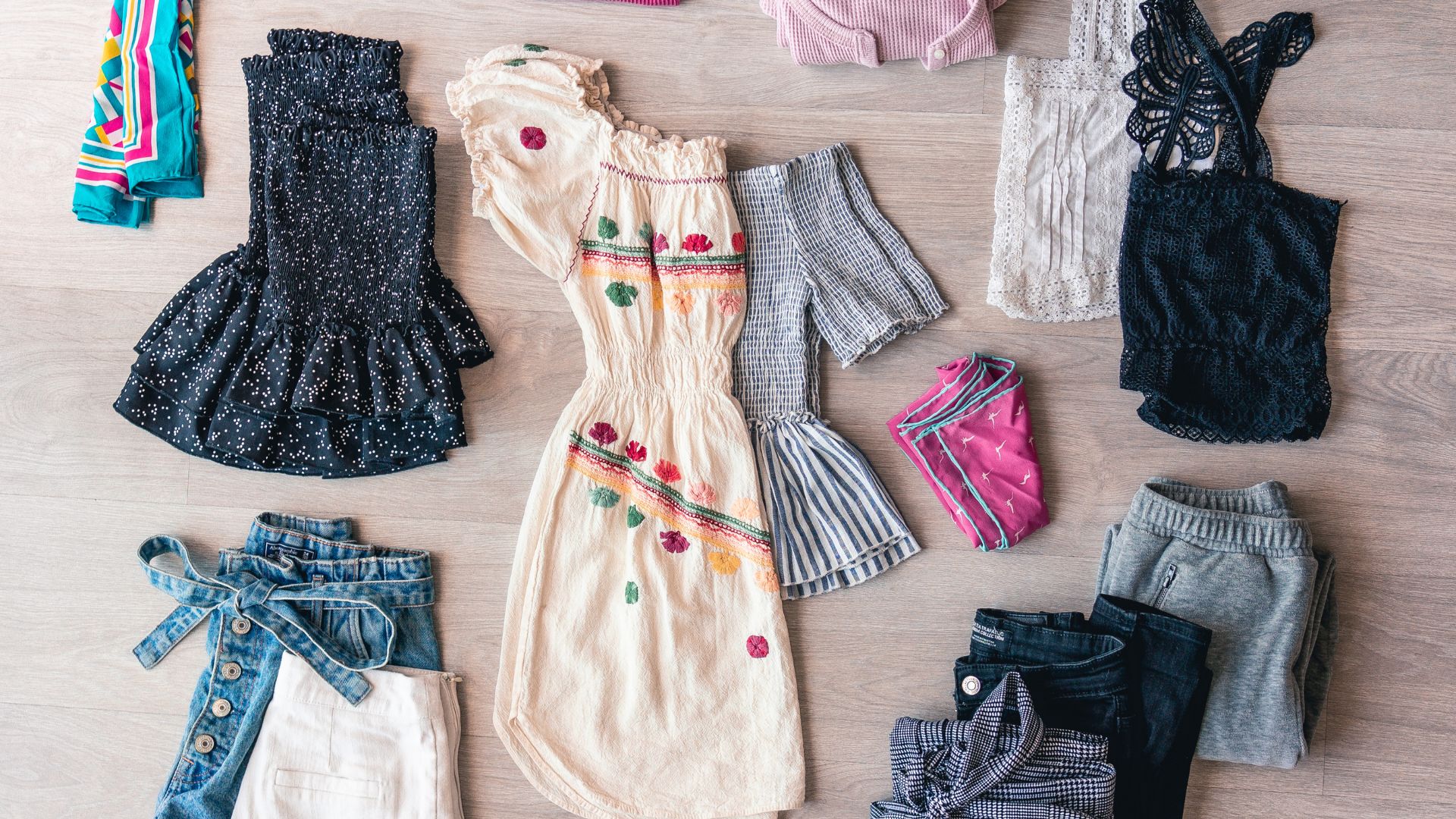
An online boutique owner is often looking for a collection that allows a logical layout of the shop to be built: dresses, co-ords, blouses, trousers, coats and layering pieces have to form an ordered whole. It’s not only about the product itself. It’s also about whether the whole offer looks convincing side by side.
In an online shop, it also matters a great deal whether a cut is understandable without extra explanation. The clearer the shape, the easier it is to reduce buying uncertainty. This is especially important in elegant womenswear, where the customer buys not just the look but the promise of a good fit.
A lack of consistency shows more online
If a collection from a manufacturer is haphazard, it shows immediately in an online shop. Different stylistic lines, an uneven level of quality or inconsistent sizing weaken trust in the whole offer more quickly. That’s why an online boutique more often chooses manufacturers who have a clear style and can maintain it across many product categories.
A bricks-and-mortar boutique sells the shopping experience
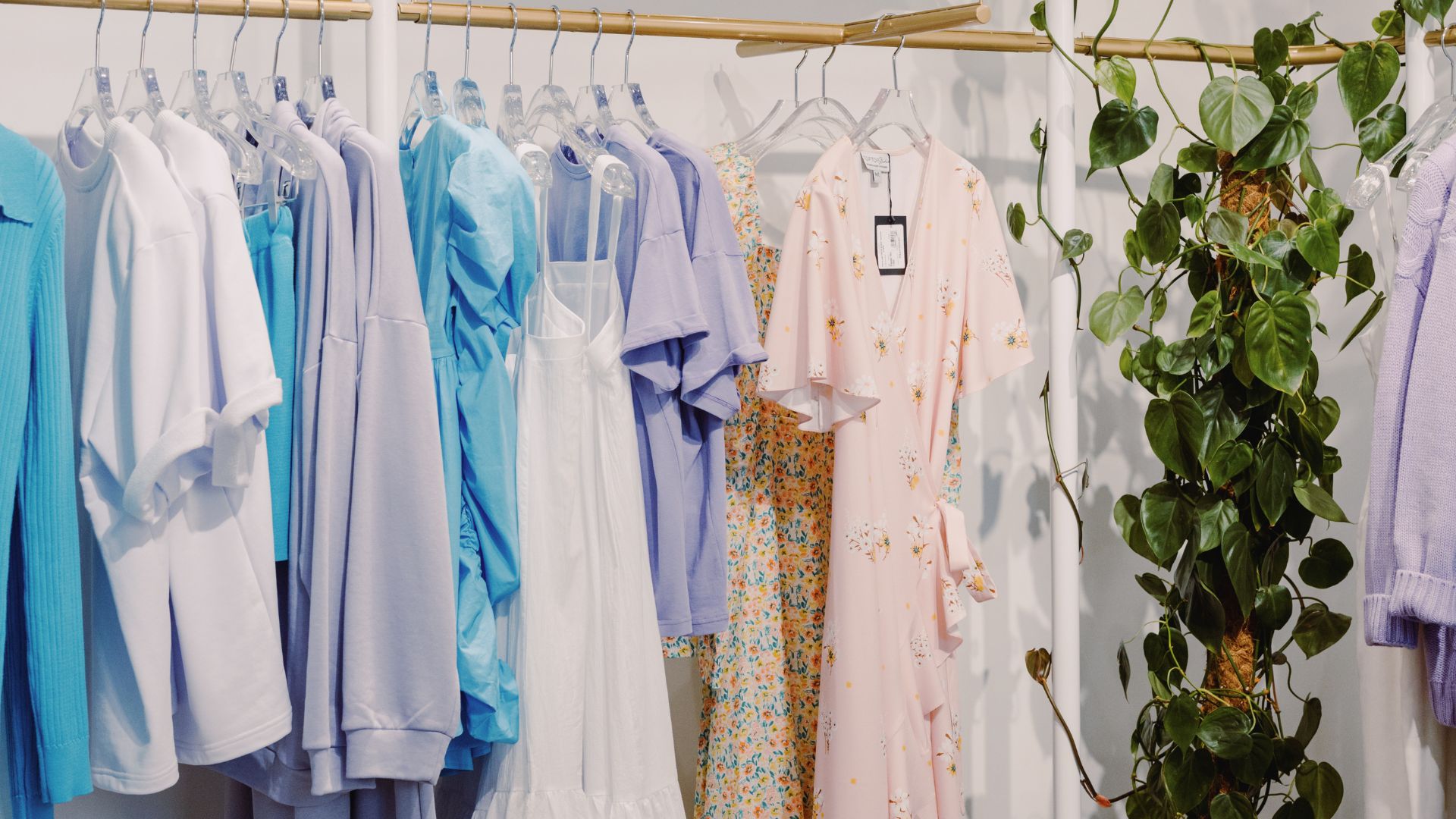
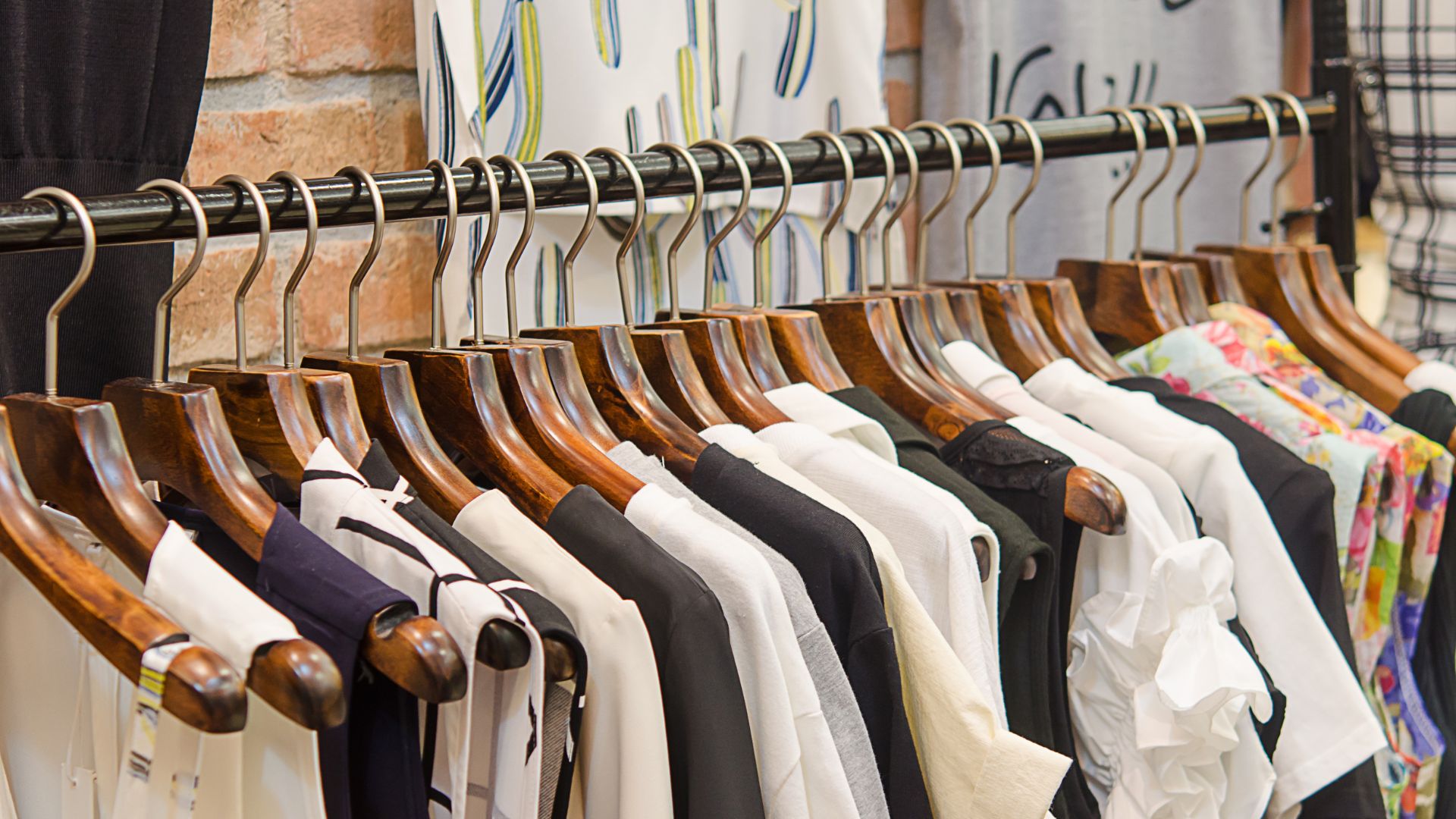
In a physical shop, clothing has a chance to hold its own in a different way than online. The customer can walk up to a product, touch the fabric, see the detail, try a model on and compare several cuts on the spot. This gives a bricks-and-mortar boutique more freedom in choosing a collection, but at the same time it raises the demands on the quality of make.
What usually counts for more in a bricks-and-mortar boutique
When buying a collection from a manufacturer, a bricks-and-mortar boutique owner pays attention to:
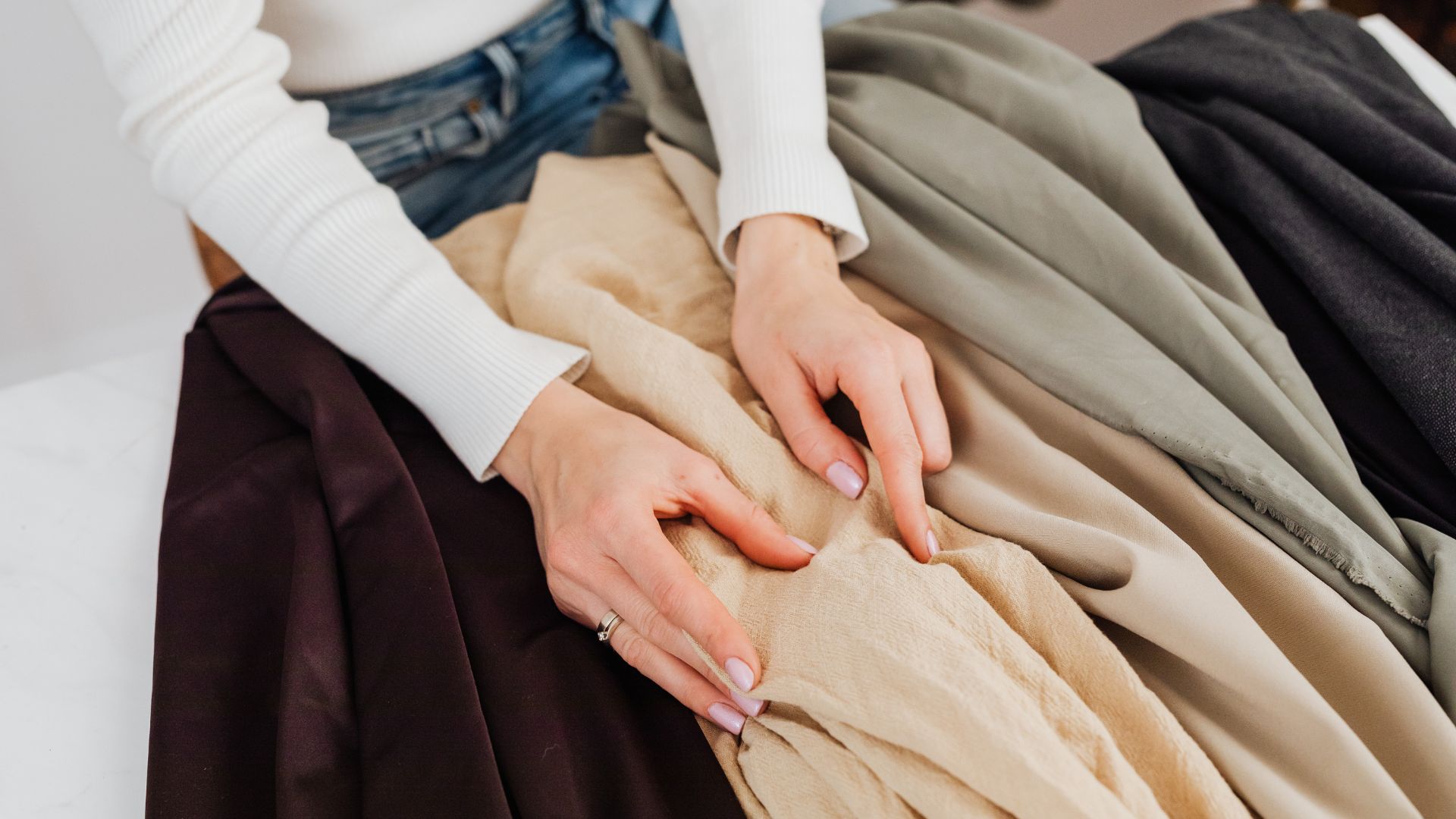
- the quality of the fabric, felt straight away,
- the way it’s finished,
- how a model sits on the figure,
- the product’s potential in direct contact with the customer,
- the scope for building a display in the shop.
Here the construction of the cut matters a great deal. A model can look good in a photo, but it’s only the fitting that shows whether it has the right proportions. In the elegant womenswear segment, this is especially important. A well-designed dress, tunic or co-ord sells not because it comes across well in a catalogue, but because, once on, it gives the customer the sense that the garment has genuinely been thought through.
In a physical shop, quality — or the lack of it — shows more quickly
A bricks-and-mortar boutique tests a manufacturer very quickly. Unrefined sewing, weaker finishing or a haphazard fabric are visible straight away. This is exactly why physical shops often look for partners who have their own production and genuinely control the process of making a garment.
The biggest differences in choosing a collection from a manufacturer
Although both sales models draw on similar categories, buying decisions usually diverge at a few points.
1. Online looks harder at the consistency of the offer, bricks-and-mortar at the strength of the single model
In an online shop, the customer often views many products side by side. The collection has to form a whole. In a bricks-and-mortar boutique, a single model can sell because it looks great on the rail or sits very well after a fitting.
2. Online needs predictability, bricks-and-mortar can afford a bigger share of “discovery” models
An online shop takes a more cautious approach to cuts that need longer explanation. A bricks-and-mortar boutique has the advantage of contact with the customer and can do a better job of selling a product whose potential only reveals itself once it’s on.
3. Online sizing has to inspire trust straight away
When a customer buys without a fitting, the predictability of the size becomes very important. That’s why an online shop more often looks for a manufacturer who offers well-refined cuts and consistent sizing. With womenswear in sizes 40–54, this matters all the more, because customers expect not only availability of the size but a genuine fit.
4. Bricks-and-mortar draws more heavily on the advantage of quality felt in the flesh
The fabric, the finishing, the tailoring detail and the way a product falls all matter enormously in a physical shop. That’s why a bricks-and-mortar boutique will more often appreciate a manufacturer who sews in Poland, works with certified fabrics and takes care over careful finishing.
How a manufacturer should respond to these differences
A good womenswear manufacturer for boutiques shouldn’t look at every partner in the same way. An online shop needs different arguments than a bricks-and-mortar boutique, though the starting point stays the same: quality, fit and consistency of collection.
On our side, we see this very clearly. Partners running online sales more often ask about the breadth of categories, stylistic consistency and an offer that can be grown in a clear way. Physical shops more often focus on the making, the behaviour of the fabric and how a given model holds up in direct contact with the customer.
That’s why, in working with a collection, it’s important for a manufacturer to have:
- their own production and control over quality,
- a clearly defined style,
- experience in serving B2B partners,
- an offer spanning several product categories,
- flexibility in cooperation.
At MAKO, we work in exactly this model. As a Polish womenswear manufacturer, we develop the Marguerite by Mako brand with business partners in mind: bricks-and-mortar boutiques, online boutiques, wholesalers, brands and distributors. We sew in Poland, use certified fabrics and build collections with a consistent, feminine and elegant character. This matters for both sales channels, though each of them draws on these strengths a little differently.
A Polish clothing brand for retailers and boutiques
Marguerite by Mako is a Polish manufacturer of women's clothing that blends manufacturing expertise with modern, elegant design. We create collections with boutiques and wholesalers in mind, paying close attention to seasonality, the functionality of each style and the expectations of end customers. Working with our business partners, we develop a range that not only looks good but also genuinely responds to the needs of the market.
Collections designed to sell
Trend analysis, manufacturing expertise and feedback from our business partners allow us to create styles that fit the needs of boutiques and the expectations of today's customers.
What this means in practice for a boutique owner
If you run an online boutique, look further than a single bestseller when choosing a manufacturer. Check whether the collection forms a logical whole and whether its style will read clearly for a customer with no contact in the flesh.
If you run a bricks-and-mortar boutique, pay particular attention to the quality of make, the fabric and the fit of the cuts. In a physical shop, these elements work towards sales directly.
If you operate a combined model, you need a manufacturer who can reconcile both worlds. This is a common direction for boutiques to grow in today. A collection has to look good online, but also hold its own in the fitting room and on the shop floor.
Choosing a collection from a manufacturer shouldn’t start with the question of what’s fashionable, but with how you sell and what your customers expect. Only then is it worth judging which partner will be real support for your business model.
If you’re looking for a womenswear manufacturer for an online boutique, a bricks-and-mortar shop or a combined model, get in touch with the MAKO team. We’d be glad to talk about which form of cooperation and which choice of collection will work best for your sales direction.