

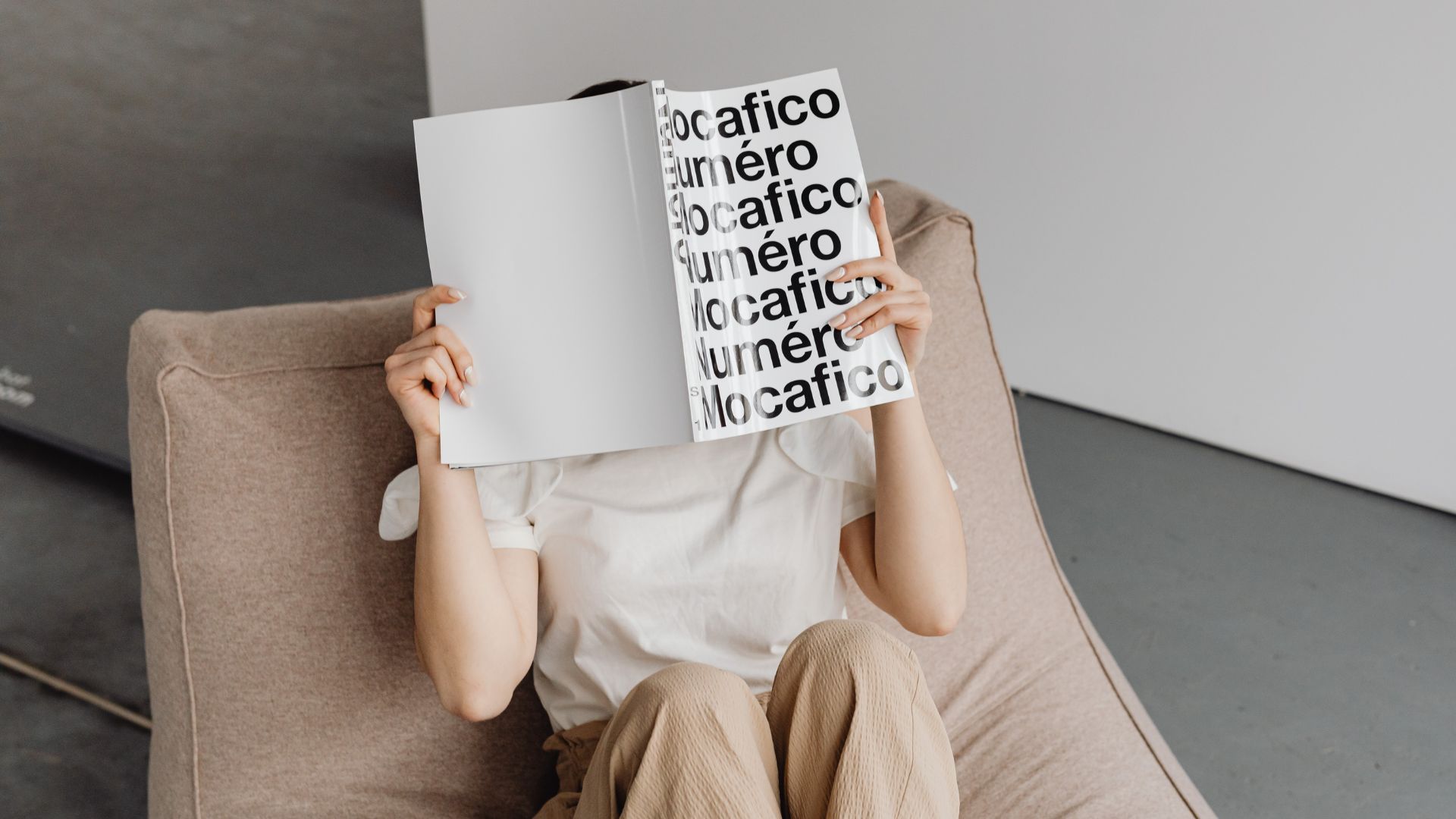
A fashion brand’s lookbook is still sometimes treated as an aesthetic add-on to the collection. In practice, it plays a far more important role. It gives shape to a brand’s direction, helps show the character of a design and makes it easier to talk to boutiques, trade partners, the sales team or a manufacturer. A well-prepared lookbook isn’t there simply to “show clothes nicely.” It’s meant to sell the idea of a collection and present it in an ordered way.
From our point of view, in 2026 a lookbook should bring together two dimensions: image and practical use. It has to build a consistent picture of the brand while at the same time offering something concrete. If, after a few pages, the viewer still doesn’t understand the style of the collection, who it’s aimed at and which models are the strongest, the material isn’t doing its job.
What a fashion brand lookbook is today
A lookbook isn’t a technical catalogue and it isn’t an ordinary gallery of shots from a photoshoot. It’s a tool for presenting a collection — one that shows the silhouettes, the proportions, the outfits, the mood of the brand and the way of thinking about the product. In a well-made lookbook, every frame works towards a single story: about the aesthetic, the target group and the quality of the design.
For a fashion brand, a lookbook is needed when it wants to:
- present a new collection to B2B partners,
- bring order to its messaging around a season,
- prepare material for boutiques and distributors,
- show a manufacturer the design direction,
- strengthen the brand’s consistency online and offline.
A single piece of material often works in several places at once. It reaches wholesale, sales presentations, the website and production conversations. All the more reason it can’t be left to chance.
Why a brand needs a lookbook in 2026
In 2026, simply having photos of a collection isn’t enough. A brand needs material that quickly explains what the collection is and how it’s meant to be received. Audiences view content quickly. If the message isn’t clear, the collection loses attention right from the start.
A good lookbook helps in three areas.
Sales
A boutique, showroom or distributor finds it easier to assess a collection when it can see complete silhouettes and a presentation led with logic. Packshots on their own show the product. A lookbook shows its sales potential.
Image
A brand builds recognition not only through its logo, but through a consistent picture. A lookbook brings order to the aesthetic, the tone and the way the clothes are presented. This matters especially for younger brands still establishing their position.
Production and collection development
Well-prepared material makes communication with a production partner easier. It shows the line of the collection, the relationships between the models, the proportions and the stylistic direction. On new commissions, this is a real help, because it shortens the path from an idea to a concrete conversation about making it happen.
What should a good lookbook contain?
There’s no single template, but there are elements without which a lookbook loses its point.
A consistent idea for the collection
First you have to know exactly what you’re showing. A lookbook shouldn’t be a patchwork of every model that happened to be made. A selection built around a single thread works better: a season, a capsule, an audience or a particular style.
The strongest models and complete silhouettes
The products that show best are the ones that build the brand’s character. Complete outfits work well in a lookbook, because they let you see the proportions and the way the pieces are put together. A dress, a blazer, trousers or a layering piece look one way as a single product and another as part of a considered look.
A clear layout
The viewer should know where the collection begins, which models lead and what the rhythm of the whole presentation is. Too many photos, too many shots and no hierarchy quickly become tiring.
Material matched to the purpose
A lookbook for boutiques can emphasise the sales character of the silhouettes. A lookbook prepared for conversations with a manufacturer should show the construction, the details and the coherence of the line more clearly. The same core material can work in several versions, but the purpose of the presentation has to be settled in advance.
How to prepare a lookbook step by step
1. Start with the purpose, not the photoshoot
First you have to answer a simple question: who is this material being made for? You build a lookbook for buyers one way, for the media another, and for conversations about collection production another again. Only then do you choose the photos, the format and the layout.
2. Choose the models that really build the collection
You don’t have to show everything. It’s better to pick fewer models, but ones that capture the brand’s character well. Selection makes more of a difference than the number of pages. If the collection is inconsistent, a lookbook will only expose it.
3. Take care over styling and order
A lookbook should lead the viewer. A structure that runs from a strong opening, through the silhouettes that build the middle of the collection, to the supporting shots works well. Consistent styling rules matter too. If every page looks like it’s from a different brand, the whole thing loses its credibility.
4. Separate the imagery from the technical data
A lookbook doesn’t have to contain all the commercial information. Its role is to present the collection. Product details, model names, sizes or the information needed for orders are better placed in a separate document. That keeps the presentation clean and easier to read.
A Polish clothing brand for retailers and boutiques
Marguerite by Mako is a Polish manufacturer of women's clothing that blends manufacturing expertise with modern, elegant design. We create collections with boutiques and wholesalers in mind, paying close attention to seasonality, the functionality of each style and the expectations of end customers. Working with our business partners, we develop a range that not only looks good but also genuinely responds to the needs of the market.
Collections designed to sell
Trend analysis, manufacturing expertise and feedback from our business partners allow us to create styles that fit the needs of boutiques and the expectations of today's customers.
Mistakes that weaken a lookbook
More often than not, the problem isn’t a lack of budget but a lack of decisions. A lookbook weakens when a brand tries to fit everything into it at once.
The most common mistakes are:
- a haphazard choice of photos,
- too many models in one presentation,
- no consistency between the styling and the brand’s profile,
- overloading it with text,
- no clear purpose for the material,
- mixing the function of a lookbook with a sales catalogue.
A weak lookbook doesn’t bring order to a collection. It blurs it. And if a brand doesn’t clearly show its own aesthetic, the viewer won’t read it either.
The lookbook and working with a manufacturer
From a production point of view, a lookbook has one more advantage: it helps translate a brand’s vision into something concrete. For a clothing manufacturer, what matters isn’t only how a single model looks, but also the overall direction of the collection — whether the brand is building an elegant line, a modern one, something more everyday, or perhaps basing it on refined shapes for a specific audience.
At MAKO, this is exactly how we look at the lookbook. Well-prepared material makes it easier to talk about a collection, new commissions and the brand’s further development. It allows the style, the proportions and the character of the line to be grasped more quickly, which counts in production cooperation. This is especially true of brands that want to build a consistent, feminine and elegant offer while also needing a partner who understands quality of make, refinement of cut and the value of a well-prepared collection.
If you’re working on your brand’s lookbook and looking for a partner to produce womenswear in Poland, we’d be glad to talk about working together. At MAKO, we support brands, boutiques and B2B partners in creating collections that are consistent not only in the photos but in the finished product too.