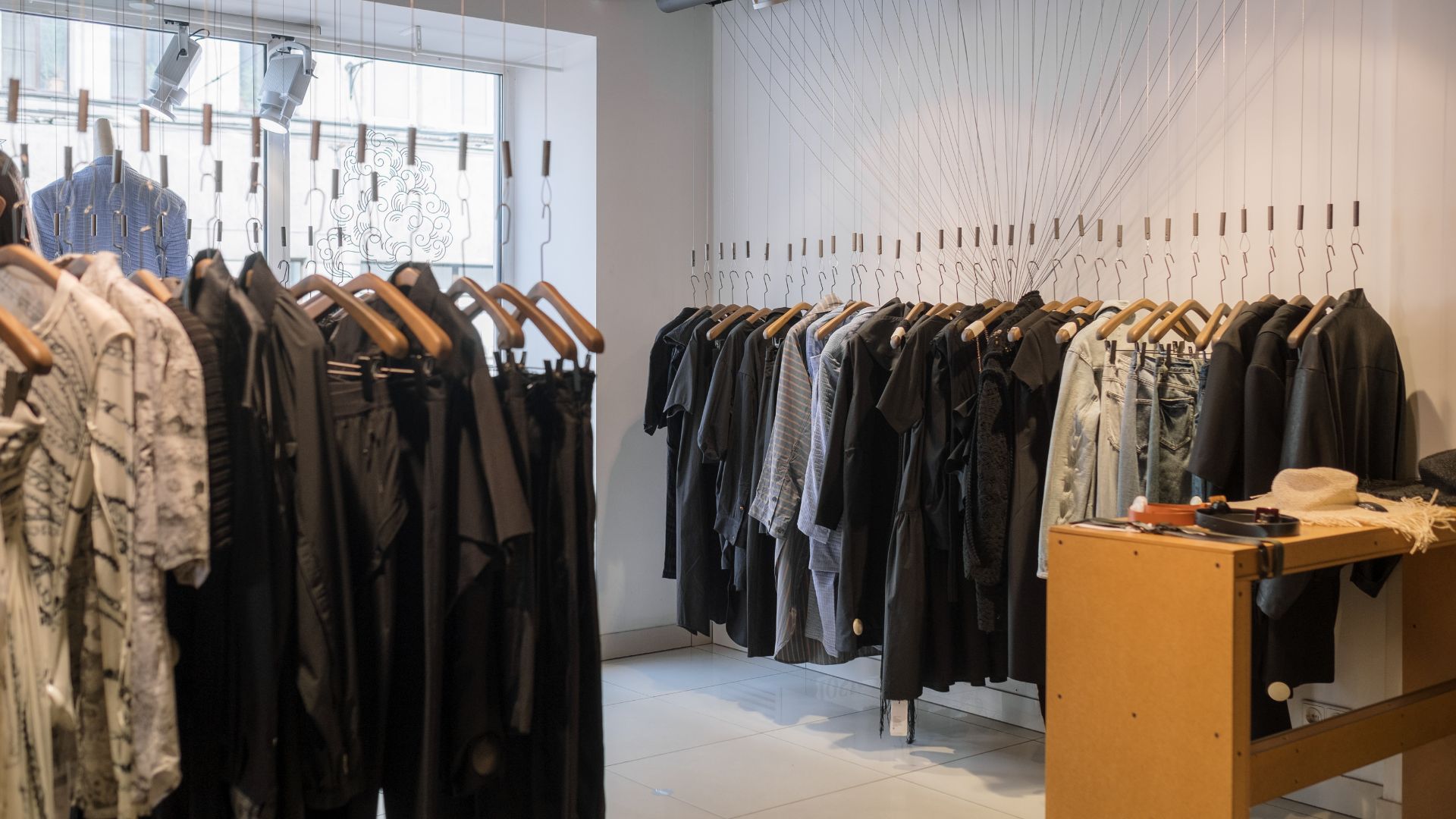


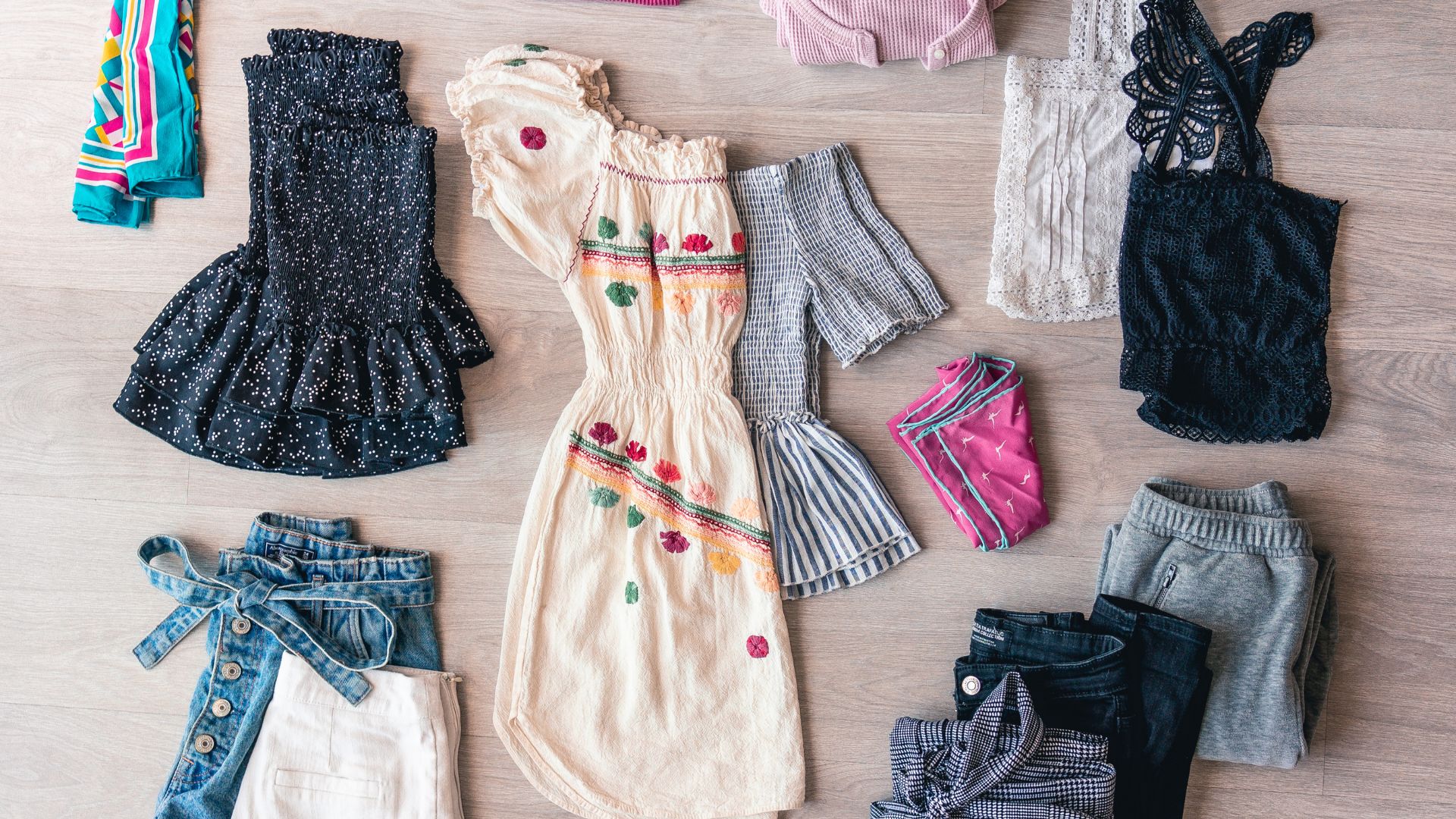
In a boutique, a single product shown without context often sells less well than the same style presented as part of a ready-made outfit. A customer might notice a pair of trousers, a dress, or a blouse, but the buying decision becomes easier when she can immediately see what she can pair it with. For a shop, this is a way to increase the average basket without pushy upselling.
Why do ready-made outfits increase the average basket?
A ready-made outfit shortens the path from interest in a product to a buying decision. The customer doesn’t have to work out on her own what to pair her chosen style with. She’s given a suggestion she can buy in full or treat as inspiration.
Well-prepared outfits:
- show more ways to use a single style,
- help her picture the garment in everyday use,
- support sales in complementary categories,
- increase the chance of buying several products in one visit.
A few well-considered combinations can work better than a large number of random ones.
1. Start with a base product
The easiest approach is to build an outfit around one strong piece. It could be trousers, a dress, a blouse, or a set. The base product should have a clear role: everyday, elegant, seasonal, or more versatile.
Only then do we add the rest. If the base is a pair of trousers, the natural direction is a blouse, a tunic, or a waistcoat. If the starting point is a dress, you can show it on its own and in a second version with a throw-on layer, a biker jacket, or a coat.
At MAKO we work with categories that make these combinations possible: dresses, blouses, tunics, trousers, waistcoats, sets, sweatshirts, biker jackets, coats, and throw-on layers.
2. Combine products by occasion, not just colour
Colour helps keep things coherent, but on its own it doesn’t make a good sales proposition. A customer finds it easier to decide when she sees an outfit for work, for a family gathering, for a trip, or for a colder day, rather than simply being told that two pieces go together.
The products then start to work as parts of specific buying scenarios. For example:
- elegant trousers can be paired with a blouse and a waistcoat,
- a tunic can be combined with trousers as a ready-made everyday option,
- a dress can be completed with a throw-on layer or a biker jacket,
- a set can be shown as a whole, with its pieces also styled in other ways,
- a coat can be presented with a chosen outfit rather than as a completely separate product.
3. Prepare a basic version and an extended one
Not every customer will want to buy three pieces at once. That’s why a two-tier outfit structure works well.
The first version is the base product plus one complementary piece. The second develops the look with a third item — a waistcoat, a throw-on layer, a biker jacket, or a coat, for instance.
This gives choice without pressure. The customer can stop at a simple pairing or see a fuller version. It’s also easier for sales staff to suggest a specific piece than to ask vaguely whether she’d like “something else.”
In an online shop, the same principle can be used on the product page. Instead of random recommendations, it’s better to show styles that genuinely form a coherent whole.
4. Use one style in several outfits
If a single blouse goes with two pairs of trousers, and a waistcoat can complete several outfits, the collection works more efficiently. You don’t need a huge number of styles for a customer to see choice. What counts is the number of sensible combinations.
It’s a good idea to prepare a simple pairing map for your team: what to combine a particular blouse with, which trousers suit a tunic, which throw-on layer completes a dress. That way several people working in the boutique can sell the collection in a similar, organised way.
This practice has another advantage: the same product can appear in several different suggestions, and so be visible to customers with different needs. One person will see it as part of an everyday outfit, another as part of a more elegant look.
5. Watch proportions and fit
An outfit can be coherent in colour and still look wrong on the body. In elegant women’s clothing, proportions matter a great deal. The length of a tunic, the line of the trousers, the shape of a waistcoat, or the way a throw-on layer drapes should complement one another.
This is especially important when selling clothing for women over 40 and in sizes 40–54. Matching sizes alone isn’t enough. The customer needs an outfit that looks good as a whole and is comfortable to wear.
When putting a proposition together, it’s worth checking:
- the lengths of the individual pieces,
- the proportions of top and bottom,
- the degree of fit of the cuts,
- the way the layers sit on the body,
- the comfort of the whole outfit.
For a mature customer, a well-chosen outfit should come from the construction of the clothes, not from attempts to hide the figure. The products should work together and form a harmonious whole.
6. Don’t turn an outfit into a pretext for raising the bill
The goal is a higher average basket, but the customer shouldn’t feel the outfit was put together purely to sell her more. Every piece in the outfit has to have a purpose.
The best approach is to pair the base product with something that genuinely extends its use. If the second piece lets her wear the style for a different occasion, in a colder season, or in a more elegant version, the additional purchase is easier to justify.
That’s the difference between advising and random upselling. We suggest a product when it genuinely develops the outfit.
A well-composed look can also reduce resistance to buying something the customer wasn’t initially considering. A waistcoat shown on its own might not catch her eye. The same waistcoat worn with a well-chosen blouse and trousers takes on a specific role.
7. Carry the same outfits across to display, website, and service
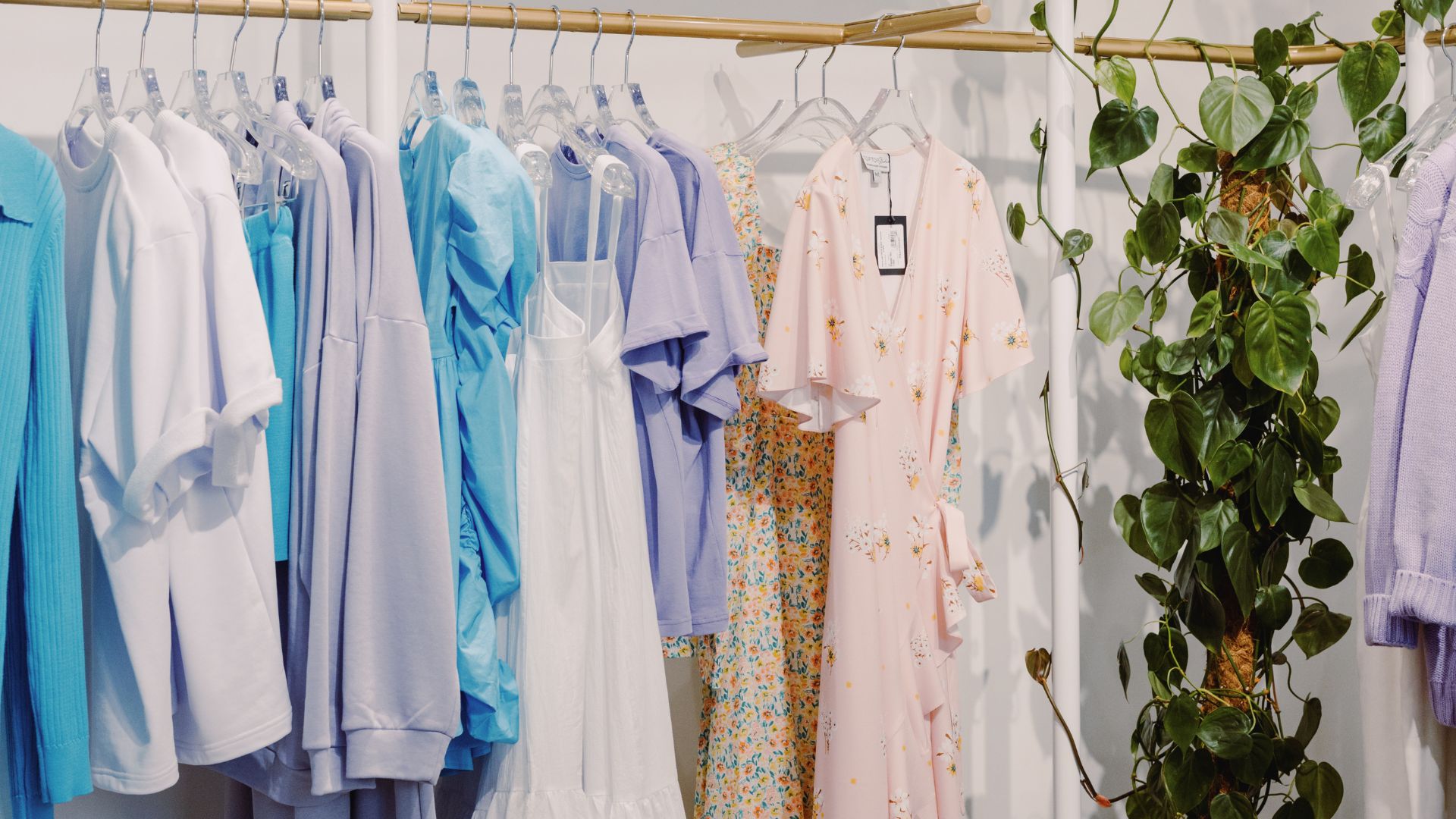
Ready-made looks should be visible wherever the customer makes her decision. In a brick-and-mortar boutique, that might be a mannequin or a few styles hung side by side. In an online shop, that role is taken over by styling photos and recommendations on product pages.
The problem arises when a boutique shows an attractive outfit on social media, but the customer can’t easily recreate it once she’s in the shop. The products are separated, the staff don’t know the combinations, or the page doesn’t indicate the pieces from the photo.
Your team should know a few ready-made combinations for the most important styles and be able to explain what each additional piece brings. Instead of a general “maybe something else?”, it’s better to say that a particular throw-on layer turns a dress into an outfit for a colder day, or that a certain waistcoat completes the line of a pair of trousers and a blouse.
Ready-made outfits should be part of how you present the collection, not a one-off display idea. If the same combination appears on a mannequin, in a photo, on the product page, and in conversation with a salesperson, the customer remembers and understands it more easily.
8. Plan outfits as early as the buying stage
The best moment to think about styling begins when you’re choosing the collection, not when you’re setting up the display.
When buying for a boutique, it’s worth checking right away which styles can work together. If you’re choosing trousers, you should know which blouses, tunics, or waistcoats will complement them. If you’re ordering dresses, you can anticipate the matching throw-on layers, biker jackets, or coats.
Coherent stock makes display, sales work, and building multi-piece purchases easier.
From a B2B cooperation standpoint, then, it’s not only the number of categories in a manufacturer’s offer that counts. What also matters is whether the collection makes it possible to create logical, sales-driving combinations.
For a boutique owner, this is a good filter when looking at a new collection. Instead of judging each style in isolation, you can check straight away how many outfits you can build from it and how many other products it will work with.
A Polish clothing brand for retailers and boutiques
Marguerite by Mako is a Polish manufacturer of women's clothing that blends manufacturing expertise with modern, elegant design. We create collections with boutiques and wholesalers in mind, paying close attention to seasonality, the functionality of each style and the expectations of end customers. Working with our business partners, we develop a range that not only looks good but also genuinely responds to the needs of the market.
Collections designed to sell
Trend analysis, manufacturing expertise and feedback from our business partners allow us to create styles that fit the needs of boutiques and the expectations of today's customers.
Watch which outfits actually work for the basket
Not every look will sell equally well. After introducing ready-made outfits, you need to check which combinations customers choose most often.
Feedback from your sales team will quickly show:
- which products are regularly bought together,
- with which styles it’s easy to sell a second piece,
- which looks attract attention but rarely convert to a purchase,
- which complementary products are missing from the offer.
In an online shop, similar conclusions can be drawn from products bought in a single order. Over time, a boutique builds its own knowledge of the outfits that best suit its customers.
This kind of observation can also help with future B2B purchases. If you know a particular cut of trousers sells well with a specific type of blouse or waistcoat, it’s easier to plan your next stock around real customer behaviour.
Ready-made outfits start with a well-built collection
Selling outfits is simpler when the collection has been designed in a coherent style and the individual categories can be freely combined. For a boutique, this means more display options and more chances to increase the average basket without pressuring the customer.
At MAKO we create elegant, modern women’s clothing with B2B cooperation in mind. Our own production in Poland, certified materials, sizes 40–54, and collections spanning dresses, blouses, tunics, trousers, waistcoats, sets, and outerwear among others give our partners room to build a coherent offer.
If you run a brick-and-mortar boutique, an online shop, or a wholesale business and you’re looking for a Polish manufacturer of women’s clothing, get in touch with MAKO. We can talk about B2B cooperation and collections that let you build well-considered outfits for your customers. A bigger basket, after all, begins long before the till — as early as the stage of choosing which products to stock.