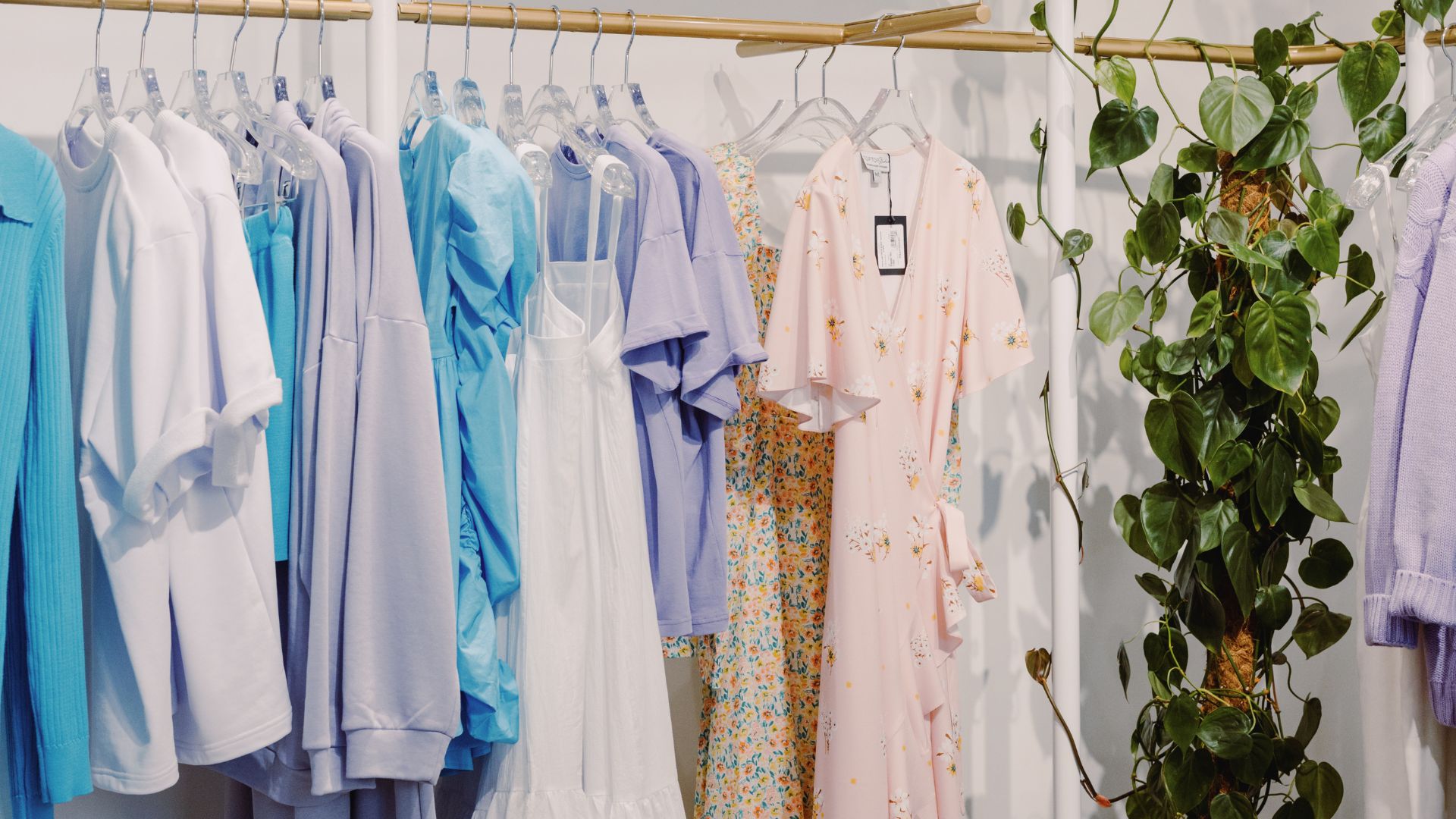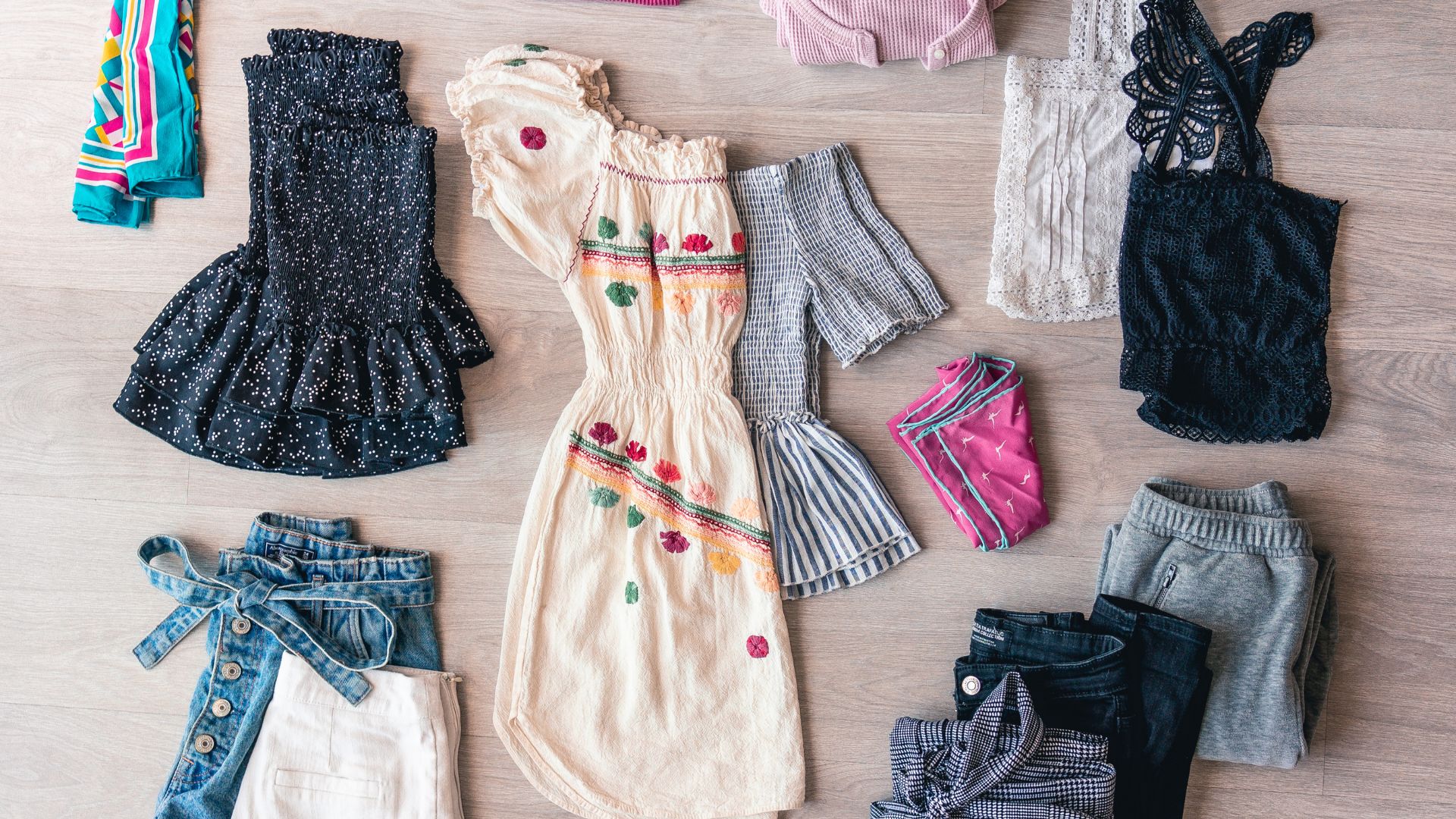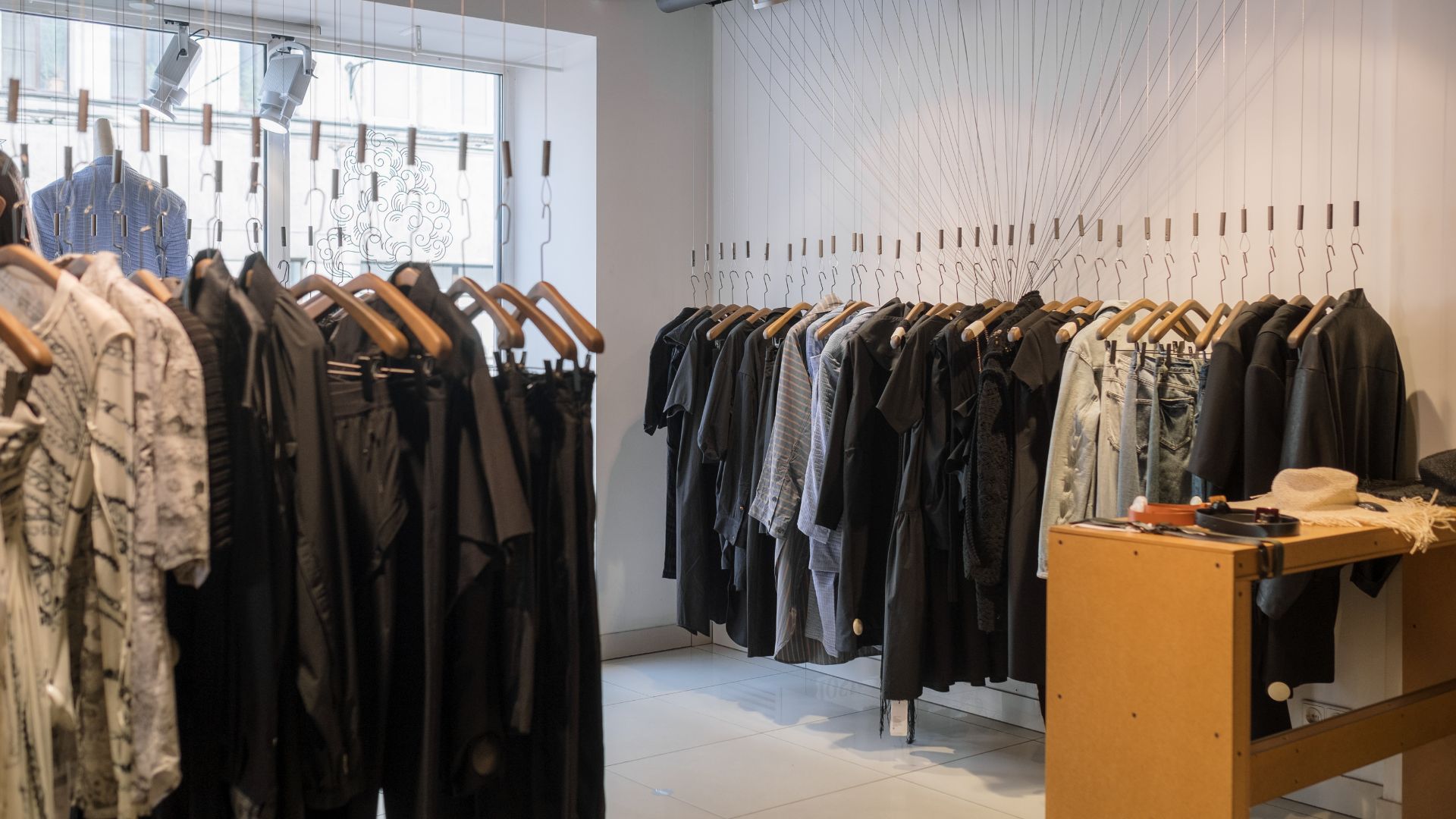


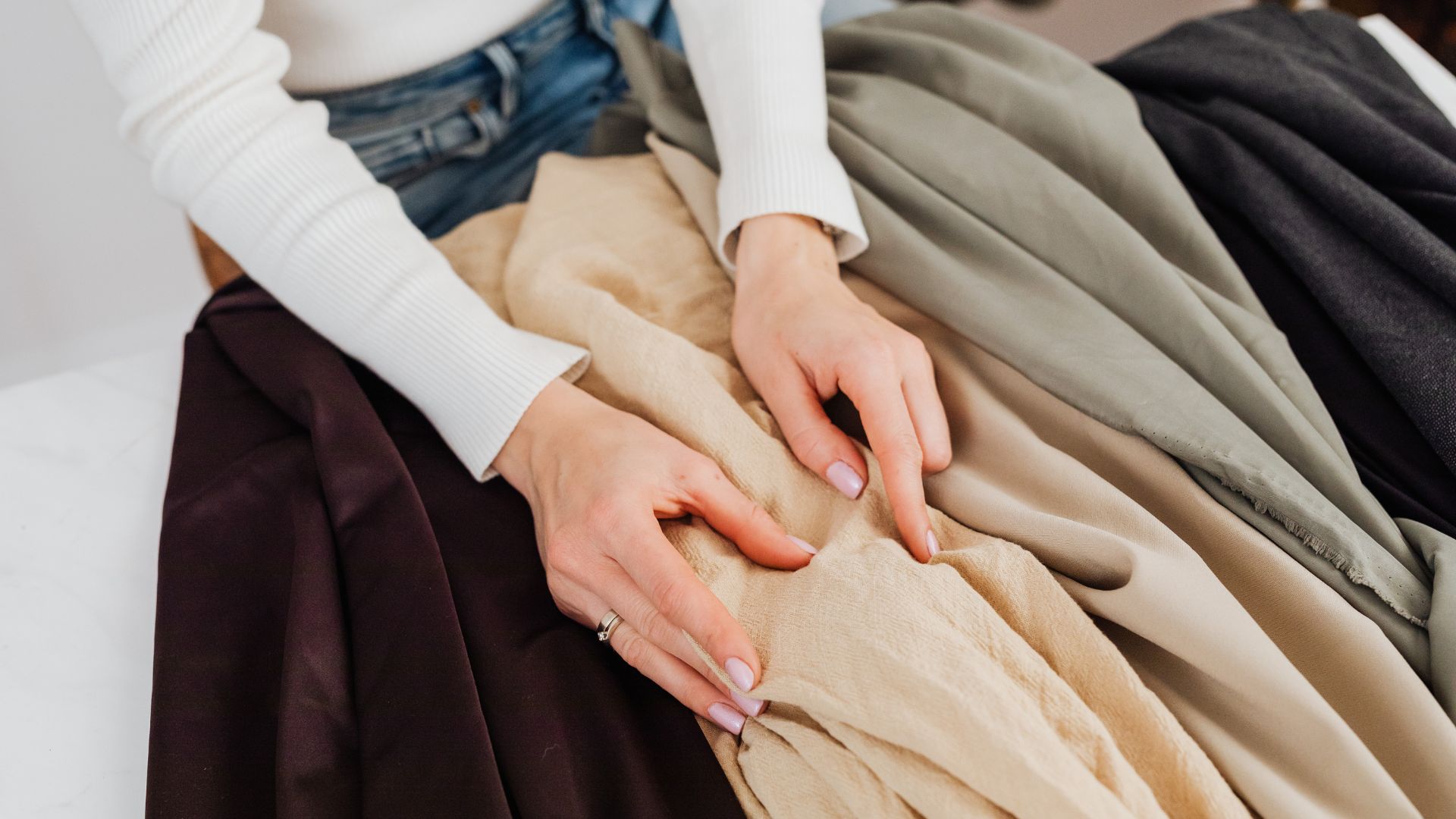
A boutique owner can stock the shop in various ways. One of the fundamental choices is whether to work with a Polish manufacturer of women’s clothing or with an importer. Both models lead to stocked shelves, but they differ in the degree of control over the product, access to information about production, flexibility, and the way B2B relationships are built.
Manufacturer and importer — what’s the basic difference?
A manufacturer is responsible for the creation of the clothing. If it has its own facility, it stays close to the whole process: from preparing the styles and choosing the materials to sewing and finishing.
An importer operates differently. It brings in finished clothing produced by external parties and offers it to customers in a given market. It may know its assortment very well, but it isn’t the company that directly makes it.
1. Control over the quality of the workmanship
In boutique retail, quality doesn’t end with the fabric composition. What counts is the cut, the way it’s sewn, the finishing, the consistency, and how the garment sits on the body.
A manufacturer sewing in its own facility has direct contact with the production process. It can monitor the standard of work and the finishing of each new style on an ongoing basis. An importer, by contrast, receives a product made by another party. That doesn’t automatically mean lower quality, but its influence over the production itself may be smaller.
So before ordering, it’s worth asking not only whether the product looks good, but also who is responsible for making it and how quality is controlled.
2. The origin of the clothing and production transparency
For some boutiques, the country of production is an important part of the offer, especially when they want to develop a Polish women’s clothing segment.
When working directly with a Polish manufacturer, it’s easier to establish where the collection is actually made. With imports, it’s worth asking more precisely about the source manufacturer, the country of origin, and the range of information the supplier can provide.
At MAKO, all production takes place in Poland, in our own facility. For our B2B partners, this means a clear source for the product and direct responsibility for its workmanship.
3. Materials and the standard of the collection
The material shapes how a product is perceived from the very first fitting. So when choosing a supplier, it’s worth checking not only the composition, but also how the fabrics and knits are selected.
A manufacturer can set its own material standard and apply it consistently across collections. If it works with certified materials, a business partner gets additional information about what the product’s quality is based on.
With an importer, the range of available data depends on the manufacturer the clothing comes from. That’s why it’s worth asking about documentation and the origin of the materials, rather than basing the decision solely on a sales description.
4. Flexibility of B2B cooperation
A manufacturer with its own facility can be a partner not only for buying a ready-made collection, but also for new commissions. The scope always requires individual arrangements, but direct production gives a different basis for the conversation.
An importer depends on the assortment and terms of its suppliers. For a boutique buying only finished styles, that may be enough. For a clothing brand, a designer, or a company looking for a production partner, direct contact with the manufacturer may matter more.
5. A size range matched to your customers
Your supply source should match the shop’s profile. If a boutique serves women over 40 or is developing an offer in larger sizes, it needs more than the occasional individual style available from time to time.
What counts is a coherent size range and cuts designed with specific body shapes in mind. In elegant women’s clothing, simply enlarging a shape isn’t enough. Proportions, construction, and a good fit all matter.
At Marguerite by Mako we work in sizes 40–54. This is a permanent part of the brand’s profile. For boutiques that direct their offer to mature customers, it means the ability to build a more consistent assortment.
6. Consistency of style and the ability to build a collection
A manufacturer developing its own brand usually works in a defined stylistic direction. For a boutique, this can make stocking easier, because the different categories form a shared line.
Our offer includes, among others, dresses, blouses, tunics, trousers, sets, waistcoats, sweatshirts, biker jackets, coats, and throw-on layers. The collections are united by a feminine, elegant, and modern character.
An importer may offer products from various suppliers and in different styles. For some shops, that variety will be an advantage. For boutiques building a clearly defined aesthetic, however, it means a need to select styles more carefully.
7. The relationship with the supplier and responsibility for the product
B2B cooperation is simpler when you know who stands behind the product and who to turn to with questions about workmanship, material, or the possibility of further commissions.
Working directly with a manufacturer, a shop deals with the company responsible for creating the clothing. In the import model, an additional link appears between the shop and the production facility. A capable importer can manage this process well, but it’s worth understanding how responsibility is divided before starting a cooperation.
A Polish clothing brand for retailers and boutiques
Marguerite by Mako is a Polish manufacturer of women's clothing that blends manufacturing expertise with modern, elegant design. We create collections with boutiques and wholesalers in mind, paying close attention to seasonality, the functionality of each style and the expectations of end customers. Working with our business partners, we develop a range that not only looks good but also genuinely responds to the needs of the market.
Collections designed to sell
Trend analysis, manufacturing expertise and feedback from our business partners allow us to create styles that fit the needs of boutiques and the expectations of today's customers.
Polish manufacturer or importer — which to choose for your boutique?
Importing can work well where the priority is access to a varied, ready-made assortment. Working with a manufacturer will suit companies that expect production transparency, a coherent size range, a defined style, and the ability to develop a B2B relationship.
Before deciding, it’s worth comparing:
- the place of production,
- the standard of the materials,
- the quality of the workmanship,
- the available sizes,
- stylistic consistency,
- the scope of cooperation,
- the ability to fulfil new commissions.
The purchase price is one of the criteria, but it shouldn’t overshadow quality, how well the collection fits your customers, and the predictability of the cooperation.
What does working with MAKO look like?
As a Polish manufacturer of women’s clothing, we operate B2B only. We sew in our own production facility in Poland, use certified materials, and develop the Marguerite by Mako collections in sizes 40–54. We work with brick-and-mortar and online boutiques, wholesalers, distributors, clothing brands, designers, and companies in Poland and across Europe. We’re also open to new production commissions. If you’re looking for a supplier for your boutique or a production partner, get in touch with the MAKO team. A conversation about your customer profile, your planned assortment, and the scope of cooperation will show whether our production model fits the needs of your business.