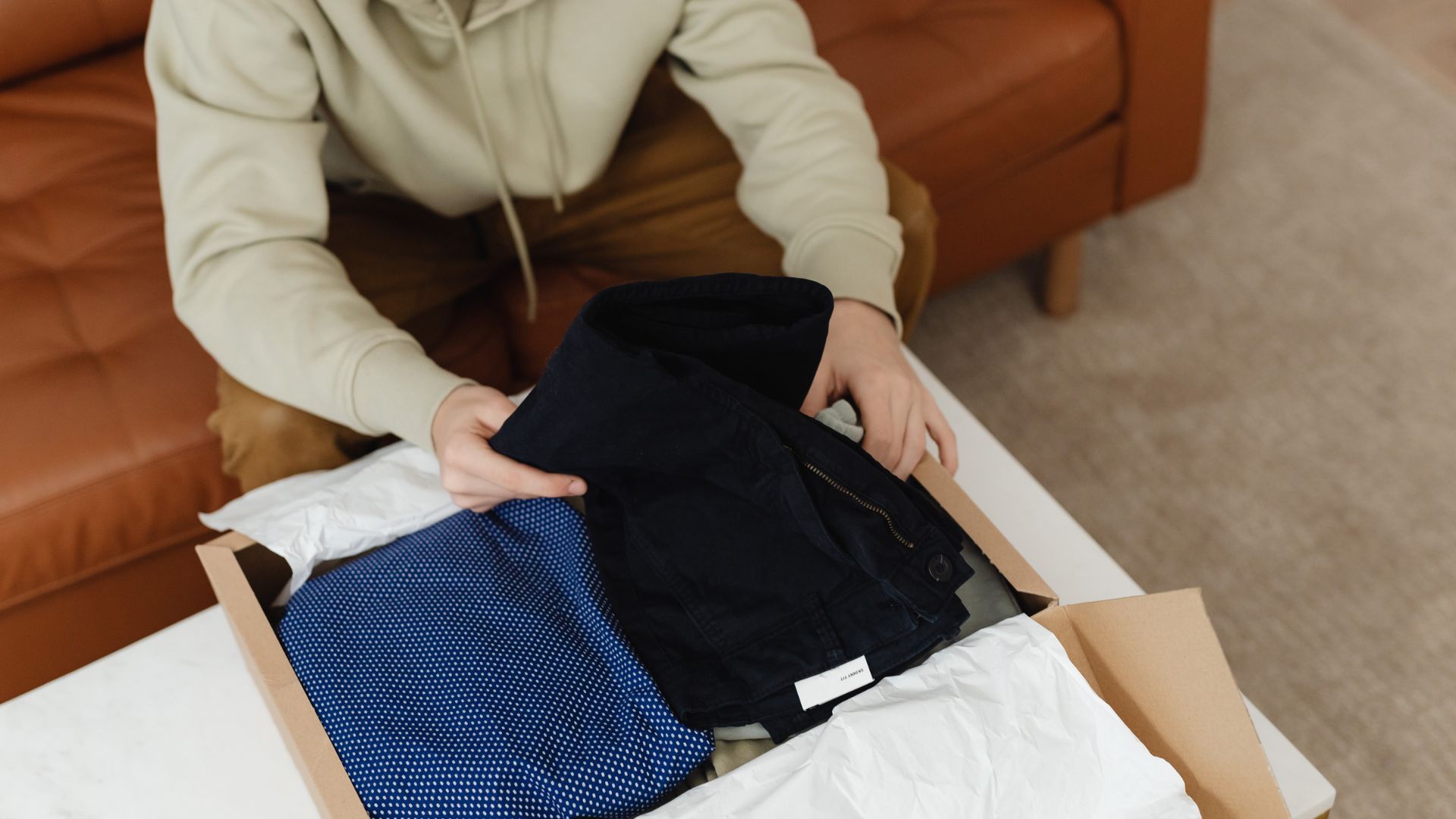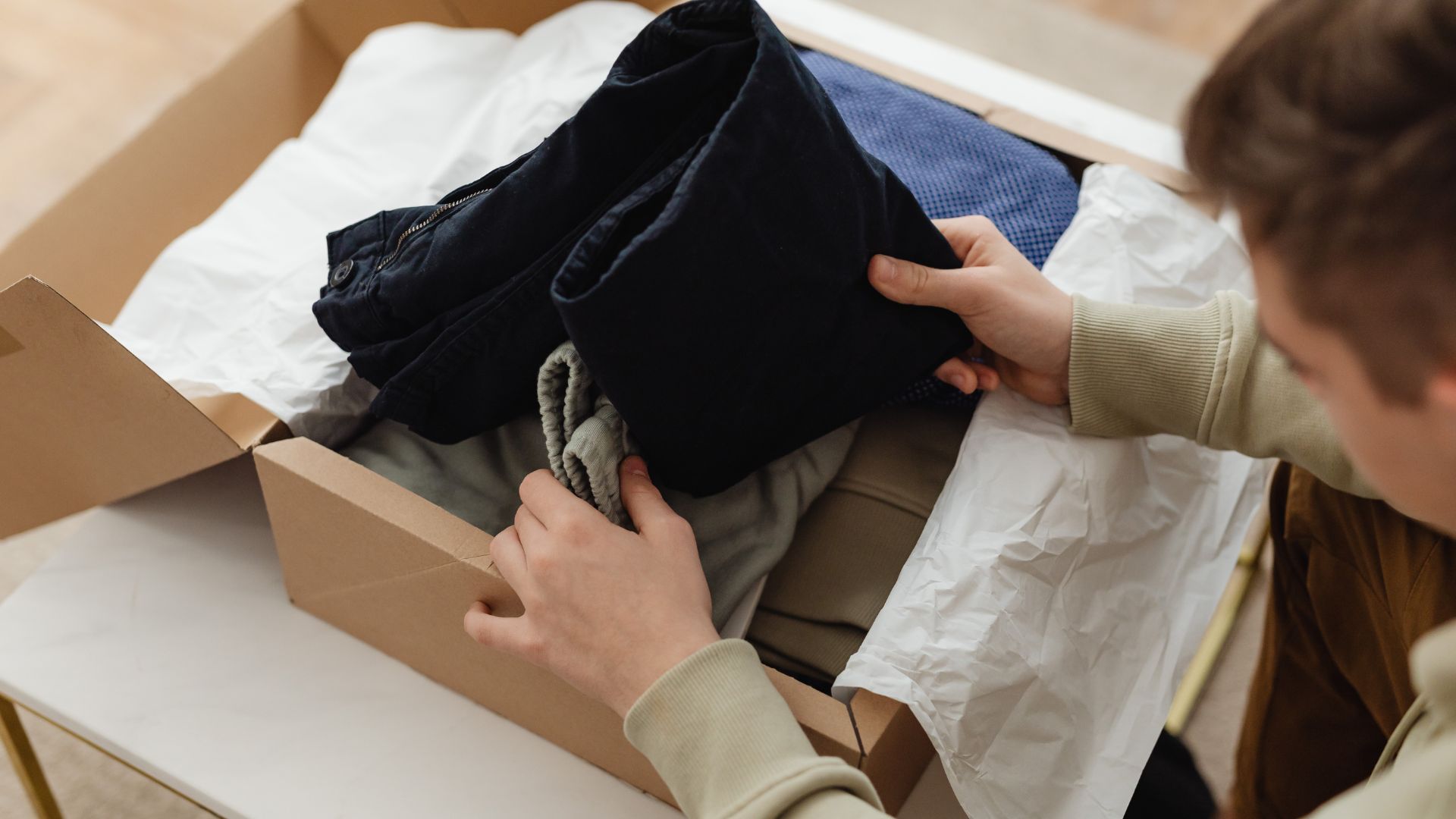
A well-planned season in a boutique starts earlier than the first delivery of the collection. Before the goods reach the rails or the online shop, you have to set the order sequence, the moment each category is introduced and the pace of restocking. In wholesale, then, logistics is not only a question of transport. It is part of sales planning.
From our point of view, the model that works best is one where the boutique, wholesaler or clothing brand looks at the season as a whole, rather than as a series of independent orders. This makes it easier to spread out the buying, limit random stocking and match deliveries to what customers need at any given moment.
The delivery schedule should follow from the sales plan
A common mistake is to order the collection first and only then think about when and how to sell it. In practice it should be the other way round. The starting point is the season calendar in a specific shop: when sales of the new collection begin, the change in the weather, periods of heavier footfall, clearances and the time when customers start asking about the next product groups.
A physical boutique will work one way, an online shop another, and a wholesaler supplying its own buyers differently again. That is why the delivery schedule should be matched to the business model rather than copied from a ready-made template.
With elegant womenswear, thinking in categories works well. Dresses, blouses, tunics, trousers, sets, gilets, overpieces, biker jackets and coats do not have to go on sale at the same moment. Their role in the collection differs, so the moment of delivery can differ too.
Do not plan the whole season as if sales were fully predictable
Even a boutique that knows its customers well cannot predict with complete certainty which cuts, colours or categories will turn over best. That is why the delivery schedule should leave room to react.
This does not mean acting without a plan. It is about splitting the buying into stages and judging which products should form the base of the collection and which can be restocked as sales develop. Working this way reduces the situation where the warehouse is full before the season starts but its structure does not match later demand.
How to split the season into delivery stages
The most practical approach is to prepare the schedule before the first larger round of stocking. The first delivery can build the base of the collection and clearly open the new season. The next ones should broaden the range, top up the best-selling groups and introduce products tied more closely to specific weather or a specific moment in the season.
The end of the season calls for more caution. Each new batch then has less time to sell without markdowns, so before the next order it is worth checking stock levels and the actual turnover of earlier deliveries.
When planning, it is worth keeping an eye on:
- which categories should open the season
- which products can be introduced later
- which product groups need restocking
- whether further batches overlap with unsold goods
- how much warehouse and shop-floor space a delivery will take up
- when further stocking becomes too risky given the end of the season
A safety buffer should not mean an overfilled warehouse
In wholesale it is easy to confuse security with excess. A large stock gives a sense of being ready to sell, but at the same time it increases the risk of being left with goods that will need marking down at the end of the season.
A better reference point is turnover. Products that form a permanent part of the offer and answer customers’ needs well may call for a different approach from more seasonal styles.
This matters especially in boutiques aimed at women over 40. In this buying group, a well-chosen cut, comfort and the availability of the right size often decide a sale. If a shop sees that a certain size range turns over regularly, it should take that knowledge into account in future orders.
At MAKO we create womenswear in sizes from 40 to 54. From a B2B partner’s point of view, this range is worth planning on the basis of real sales in a given shop, because the structure of demand can differ depending on the customer profile.
Delivery logistics starts with good communication with the manufacturer
A delivery schedule is only useful when it rests on clear arrangements between the parties. The manufacturer should know the trade partner’s priorities, and the boutique, wholesaler or brand should define early enough which parts of the season matter most to it.
You plan cooperation one way with a boutique ordering a ready-made collection, another with a wholesaler, and differently again with a brand or designer looking for a production partner. In every case it is worth talking not only about a single order, but about the sequence of deliveries and the role of each category in the season.
At MAKO we have our own production in Poland and work exclusively B2B. We cooperate with physical and online boutiques, wholesalers, distributors, brands, designers and companies. This model lets us hold a conversation about orders from the perspective of a business partner’s needs, rather than retail sales to an end customer.
How to link the delivery schedule with product categories?
In a well-planned season, the individual categories should complement one another. If the first delivery is based on core products, the next ones can develop the style of the collection and create new ways to combine pieces.
For a boutique this means you should not look at the number of items alone. The structure of the whole offer matters. A dress can be the main product, but its sales can be supported by an overpiece, a gilet or a coat. Trousers can work together with blouses, tunics or sets.
The following deliveries should refresh the offer and at the same time connect with products already in the shop. This way the boutique develops the collection in stages.
Sales should adjust the schedule during the season
Even a well-prepared schedule should not run on autopilot. After each delivery you have to check what actually happened: which styles started turning over straight away, how sales break down across sizes and which categories draw attention but do not turn into a purchase.
This kind of information brings order to the next orders. If a certain type of product works well, the next delivery can lean more heavily on similar categories. If part of the range slows down, adding very similar items simply because the original plan called for them increases the inventory risk.
Good logistics therefore combines planning and adjustment. The schedule sets the direction, but actual sales should shape the decisions that follow.
A delivery is not finished until the product is ready to sell
Boxes in the warehouse do not yet mean a completed delivery. The goods have to be received, checked, labelled and prepared for display. In an online shop there are also photos, descriptions and publishing the products.
That is why the schedule should take the team’s operational capacity into account. If several large deliveries arrive in a short time, the problem may be not the quantity of goods but getting them into sale efficiently. Products waiting in boxes do not work towards the result.
In a physical boutique you also have to plan room for new styles and a change of display. Season logistics therefore covers the whole stretch from the order to the moment when a customer can actually see and buy the product.
Polish production can make planning B2B cooperation easier
For a business partner, it matters where the clothing is made and how much influence the manufacturer has over its own process. Local production does not replace a good schedule, but it increases the transparency of the cooperation and makes it easier to talk about further orders.
At MAKO we sew in Poland, in our own production, using certified materials. We develop elegant, modern womenswear for B2B partners in Poland and Europe. We can also take on new orders, so cooperation does not have to be limited to a one-off purchase of a ready-made collection.
A good delivery schedule should bring together three perspectives: sales, stock and the possibilities of working with the manufacturer. When these areas are consistent, it is easier to control inventory, respond to turnover and avoid chaotic buying at the end of the season.
If you are planning to stock a boutique, an online shop or a wholesale business and looking for a Polish womenswear manufacturer for B2B cooperation, get in touch with MAKO. We can talk about our wholesale offer, the available categories and the possibilities for cooperation on future and new orders.