


A new clothing delivery can arrive at the shop and simply get thrown up on the profile. Or it can become a small premiere — one that customers look forward to for days beforehand, commenting on photos, saving stories and asking about which models are in stock. For a boutique, that’s a big difference. The selling starts long before the finished offer goes live.
On boutique profiles, the messages that work best are the ones that don’t show everything at once. Your audience wants a signal that something new is happening, a glimpse of the collection, a chance to spot their own style and a sense that it’s worth keeping up. Communication handled well around a delivery builds interest, increases reach and helps sell a collection faster, without the panic of publishing a dozen posts in a single day.
From our point of view at MAKO, this is an important part of boutique retail. A boutique needs not only good clothing but also an idea of how to show it. If a new delivery is consistent, well cut and based on a ready-made collection, it’s far easier to build anticipation around it before the premiere.
Why the mere news of a delivery isn’t enough
The message “the new arrivals are here” usually comes too late. By then the customer sees the finished product, but there’s no emotion yet, no anticipation, no sense that she should be following the profile closely. And it’s precisely that anticipation that sells best.
Social media for a boutique should work in stages. First comes the teaser, then curiosity grows, then you show more of the details, and finally you open the sale. That rhythm turns a new clothing delivery into something more than a routine top-up of stock. It becomes an event on the profile.
This is especially clear with elegant womenswear. Customers happily respond to:
- new cuts,
- fresh looks,
- collections matched to the season,
- pieces that can be worn for many occasions.
If a boutique announces a delivery in advance, there’s a greater chance that the audience will return to the profile on publication day, send a message, ask about a size or go straight to a purchase.
Where to start with communicating a new delivery
First you have to decide what you actually want to sell as a story. Not every delivery calls for the same way of showing it. Sometimes the colour palette plays the main role, sometimes the cuts, sometimes one very strong model, and sometimes a whole mini-collection.
Before publishing, it’s worth answering three simple questions:
- what is the strongest point of this delivery,
- which customer is this collection for,
- what effect the communication is meant to produce: curiosity, a saved date, direct messages, visits to the site.
This brings order to your content and protects the profile from chaos. An audience responds far better to a consistent narrative than to a series of random photos.
How to build anticipation before a collection premiere
Show less than you have
The most common mistake is when a boutique shows everything straight away: the whole delivery, every model, every colour, every price. Then there’s nothing left to wait for.
Building content up gradually works better. To begin with, you can show:
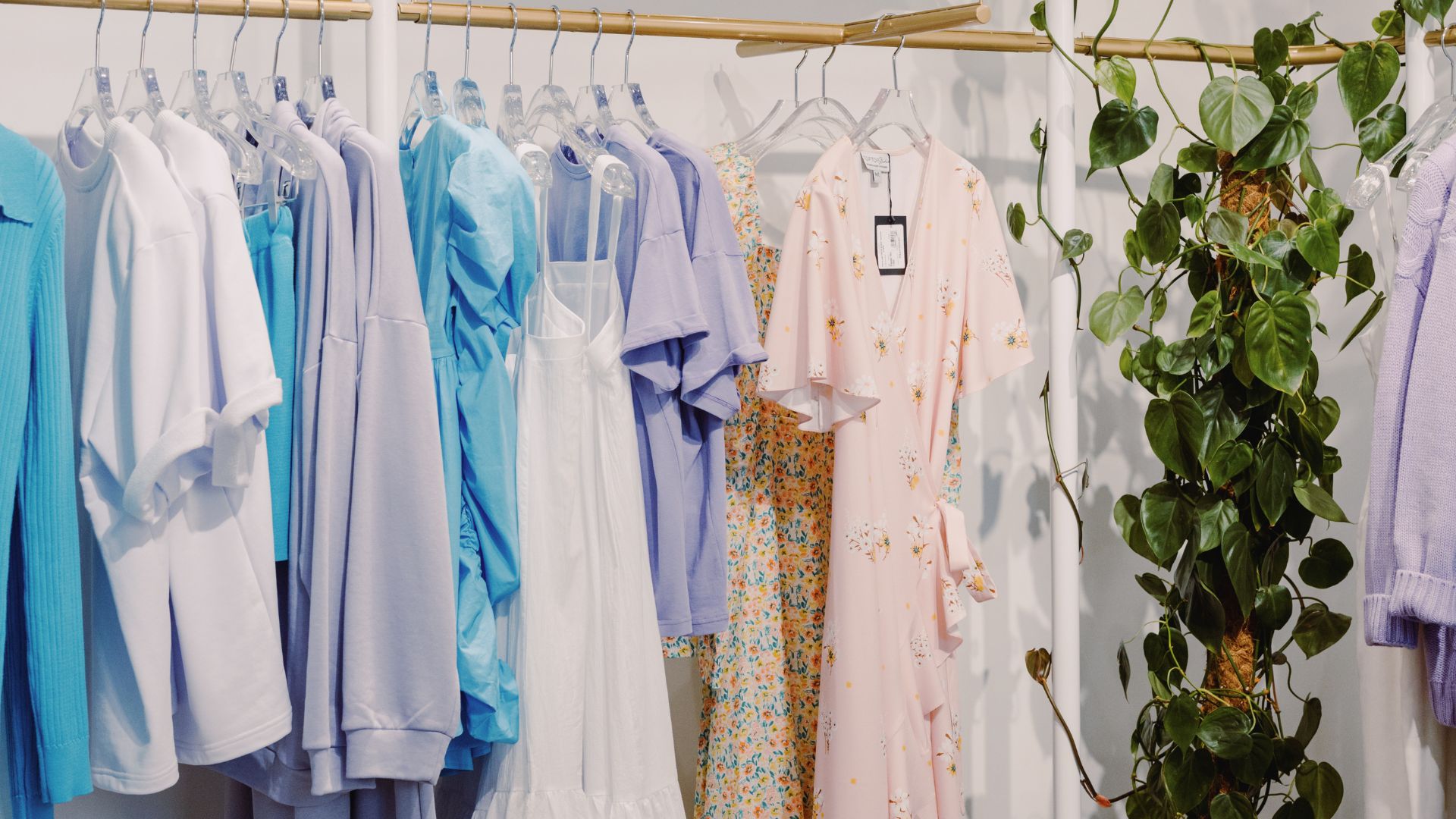
- a corner of the rail,
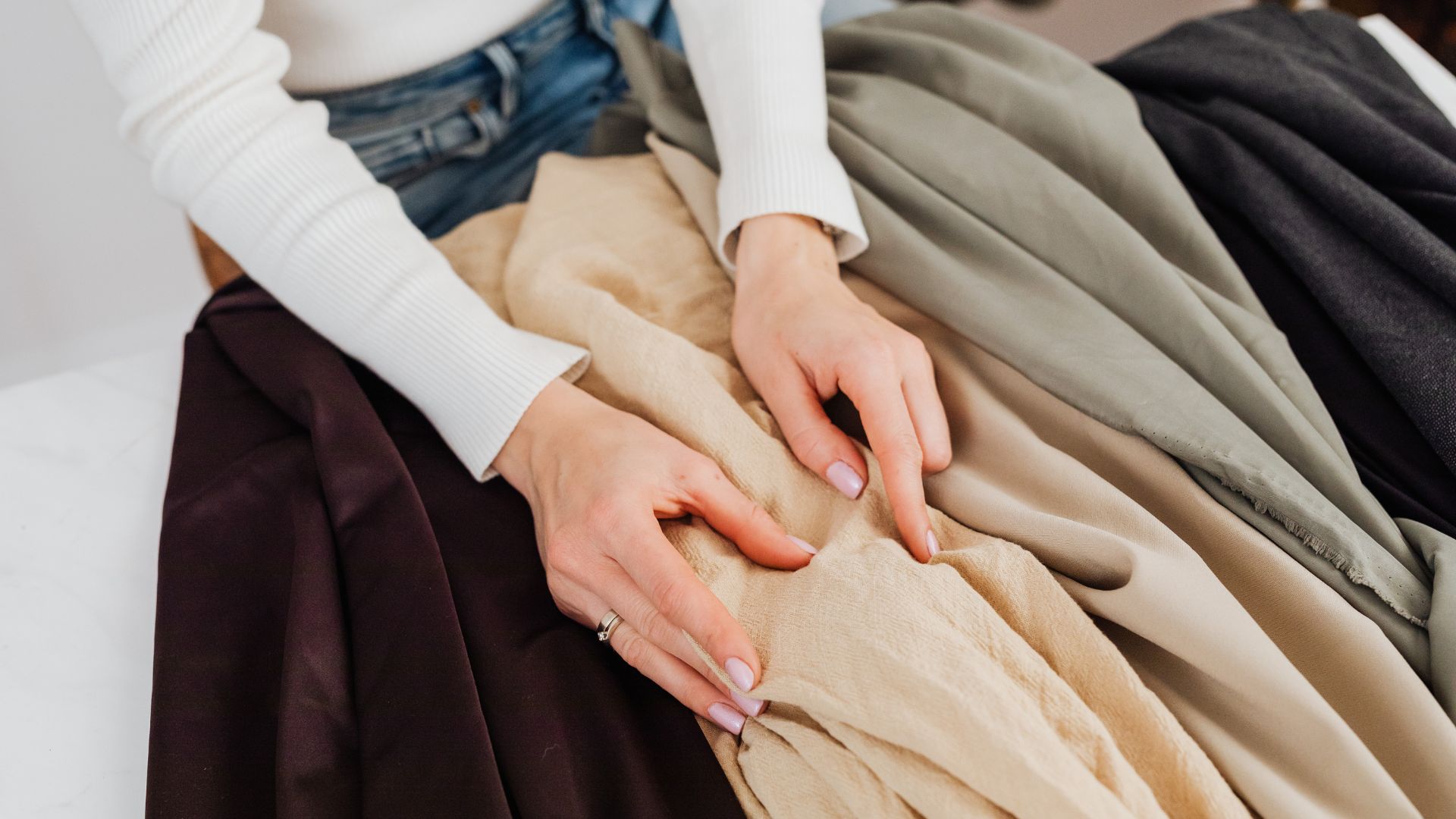
- a detail of the fabric,
- a close-up of a sleeve, a print or the finishing,
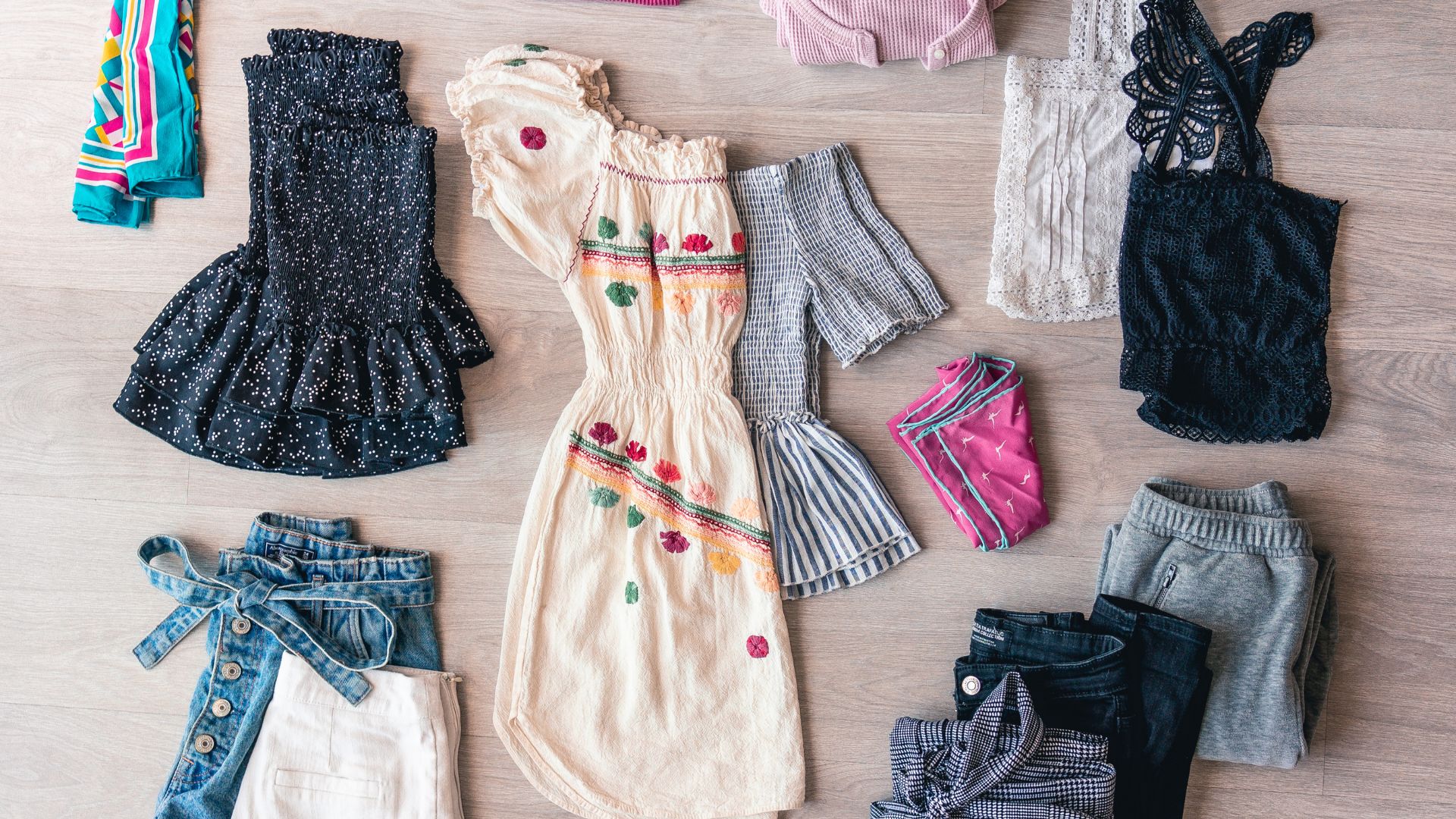
- the box with the new delivery,
- a quick frame from a fitting.
Material like this doesn’t reveal the collection fully, but it signals that something worth noticing is on the way. Leaving things unsaid sells better than an excess of information.
A Polish clothing brand for retailers and boutiques
Marguerite by Mako is a Polish manufacturer of women's clothing that blends manufacturing expertise with modern, elegant design. We create collections with boutiques and wholesalers in mind, paying close attention to seasonality, the functionality of each style and the expectations of end customers. Working with our business partners, we develop a range that not only looks good but also genuinely responds to the needs of the market.
Collections designed to sell
Trend analysis, manufacturing expertise and feedback from our business partners allow us to create styles that fit the needs of boutiques and the expectations of today's customers.
Set a publishing rhythm
Anticipation isn’t built with a single post. You need a sequence. Even a small delivery can be given a few short points of contact with the audience.
A good arrangement might look like this:
- 2–3 days before the premiere: the first teaser,
- a day later: a detail or a single model,
- the day before the sale: a story from a fitting or a short preview,
- publication day: the full presentation of the collection.
That rhythm keeps the profile alive with the delivery without wearing the audience out by repeating the same message.
Speak in the language of what the customer gains
The bare information that “a new delivery has arrived” says very little. It works far better to name what the customer gains. You don’t need grand words. It’s enough to show the point of the purchase.
Instead of writing in general terms, it’s better to emphasise:
- cuts that sit well on the figure,
- pieces ready to wear straight away, with no fiddling over how to style them,
- clothes that form coordinated outfits,
- categories that are useful at this point in the season.
This matters too for boutique retail built on ready-made collections. If a delivery is well put together, it’s far easier to talk about it as a whole rather than as individual pieces.
Which formats show new arrivals best
Stories that look natural
Stories are good for building anticipation, because they have a light, quick character. They don’t have to be perfectly polished. What counts is the pace, the authenticity and the sense that the audience is getting a look behind the scenes.
Stories work well for:
- unboxing a new delivery,
- a quick run-through of a few models,
- showing the fabric in movement,
- a fitting on the figure,
- a card with the details of when you’ll show the whole thing.
It’s best when stories lead to something concrete: follow the profile, send a message, wait for tomorrow’s premiere, check the new arrivals at a specific time.
Reels with energy, but without the chaos
Reels can boost reach considerably, but only when they’re easy to follow. For boutiques, a short piece with a single idea works better than a fast-cut edit in which nothing can actually be seen.
You can show:
- the three strongest models from the delivery,
- one item in several shots,
- a move from a detail to a whole look,
- a short series of “tomorrow we show more.”
For elegant womenswear, it’s important that the garment has room to breathe. The fabric, the shoulder line, the length, the movement of the cloth — these are the things that should be visible.
Posts that gather saves
A post doesn’t have to show the whole delivery. Sometimes it’s better to treat it as a calling card for the premiere. One strong photo, or a carousel with a few shots, can do more than publishing a dozen models at once.
In the caption, it works well to include:
- a short teaser,
- a pointer to the style of the collection,
- the details of when the whole thing will appear,
- an encouragement to follow the stories or get in touch.
How to show a delivery when a boutique works with ready-made collections
This is a big advantage, not a limitation. A ready-made collection gives visual consistency, makes it easier to build looks and lets you plan your communication faster. It then shows on the profile that the new arrivals aren’t a set of random models but a considered whole.
From a boutique’s point of view, this is worth making the most of. You can show:
- how the individual models go together,
- which cuts form a single stylistic line,
- how to build complete outfits from them,
- which customer a given delivery was chosen for.
At MAKO, we understand this mechanism well, because we supply boutiques with ready-made collections of elegant womenswear. That makes both selling and social media communication easier. A boutique receives not just individual products but the material to build a consistent presentation: dresses, blouses, trousers, waistcoats, co-ords and layering pieces all in one aesthetic direction.
What not to do when showing a new delivery
A few mistakes come up very often and weaken the effect of the premiere.
Don’t publish everything on a single day
If you show the whole delivery at once, you rob yourself of any chance to build curiosity. It’s better to split the content into stages and leave the audience a reason to come back to the profile.
Don’t just post flat product shots
The customer wants to see how the clothing looks on the figure, how the fabric moves, how a sleeve or a trouser leg falls. With elegant fashion, this is especially important.
Don’t write the same thing every time
“New in,” “beautiful delivery,” “it’s here,” “come and see” — captions like these quickly blur into one. Every collection should be given its own accent: a colour, a mood, an occasion, a cut, a customer group.
Don’t ignore messages and reactions
If a post sparks interest, you have to capture it. Answers to questions about size, availability or the premiere are part of the selling, not an add-on to it.
How to connect social media with real sales
The best content does two things at once: it builds emotion and leads to a purchase. That’s why communicating a new delivery should end with something concrete. The audience has to know what to do next.
That might be:
- visiting the site on premiere day,
- a direct message,
- reserving a model,
- following the stories with the full presentation.
Consistency matters for a boutique too. One well-presented delivery gives a result here and now. Several well-run premieres build the habit of following the profile. And that already translates into long-term sales.
If you run a boutique and want to sell new arrivals to greater effect, treat every delivery as a premiere, not as a technical top-up of stock. And if you’re looking for a partner who supplies shops with consistent, ready-made collections of elegant womenswear, get in touch with MAKO. We work with boutiques and brands on a B2B basis, delivering collections that look good not only on the rail but in your sales communication too.