


Opening a womenswear boutique — what you don’t know at the first business-plan stage
The first business plan for a womenswear boutique usually starts with sound assumptions: location, customer group, budget, name, visual identity, sales channel. On paper, it can all add up. The difficulties come a little later, when you have to move from a general concept to buying decisions, the structure of the collection and the choice of a supplier who will support the shop not for one season, but for the long term.
At the outset, many boutique owners focus on how to open a shop. Far less often do they ask themselves how to stock it sensibly and keep the offer consistent over the following months. This is exactly where the mistakes begin — the ones you can’t see at the first business-plan stage. They don’t come from a lack of commitment. More often they come from the fact that a business plan describes an idea, and the clothing trade very quickly tests whether that idea is backed by a well-organised way of operating.
A business plan shows the direction, but it doesn’t answer every question
A document can do a good job of organising goals, costs and sales assumptions. What it doesn’t settle are the things that later decide how a boutique runs day to day. It doesn’t tell you which categories you’ll need from the start, how to build a set of products that won’t drift apart in style, or what to do when customers start asking for sizes that aren’t in the offer.
At the planning stage, a boutique often looks like a brand with a clear character. In real selling, that character still has to be earned:
- through the right choice of collection,
- through consistent quality,
- through a clear target group,
- through coherent sizing,
- through a B2B partner who understands that a boutique doesn’t buy random models but builds an offer.
This is exactly why opening a womenswear boutique calls for thinking about more than the shop interior, the advertising and the name. Just as important is what you’ll base your range on and who you’ll develop it with.
You don’t yet know your customer as well as you think
At the start, it’s easy to come up with a very general description of your audience: a woman who likes fashion, values quality and is looking for something pretty and feminine. That’s not enough to buy deliberately. A boutique doesn’t sell to “all women.” It sells to a specific group with a particular lifestyle, needs and expectations of clothing.
A customer looking for everyday elegance for work buys one way, a woman who needs refined cuts for occasions another, and a customer of 40+ — for whom not only the look but also the proportion of the cut, the comfort and the quality of the fabric matter a great deal — differently again.
If a business plan doesn’t get down to this level of detail, a classic problem appears: the boutique has “nice things,” but no clear buying identity. That makes it harder to run sales, choose further models and build customer loyalty.
It’s not about having a lot of things, but a properly built collection
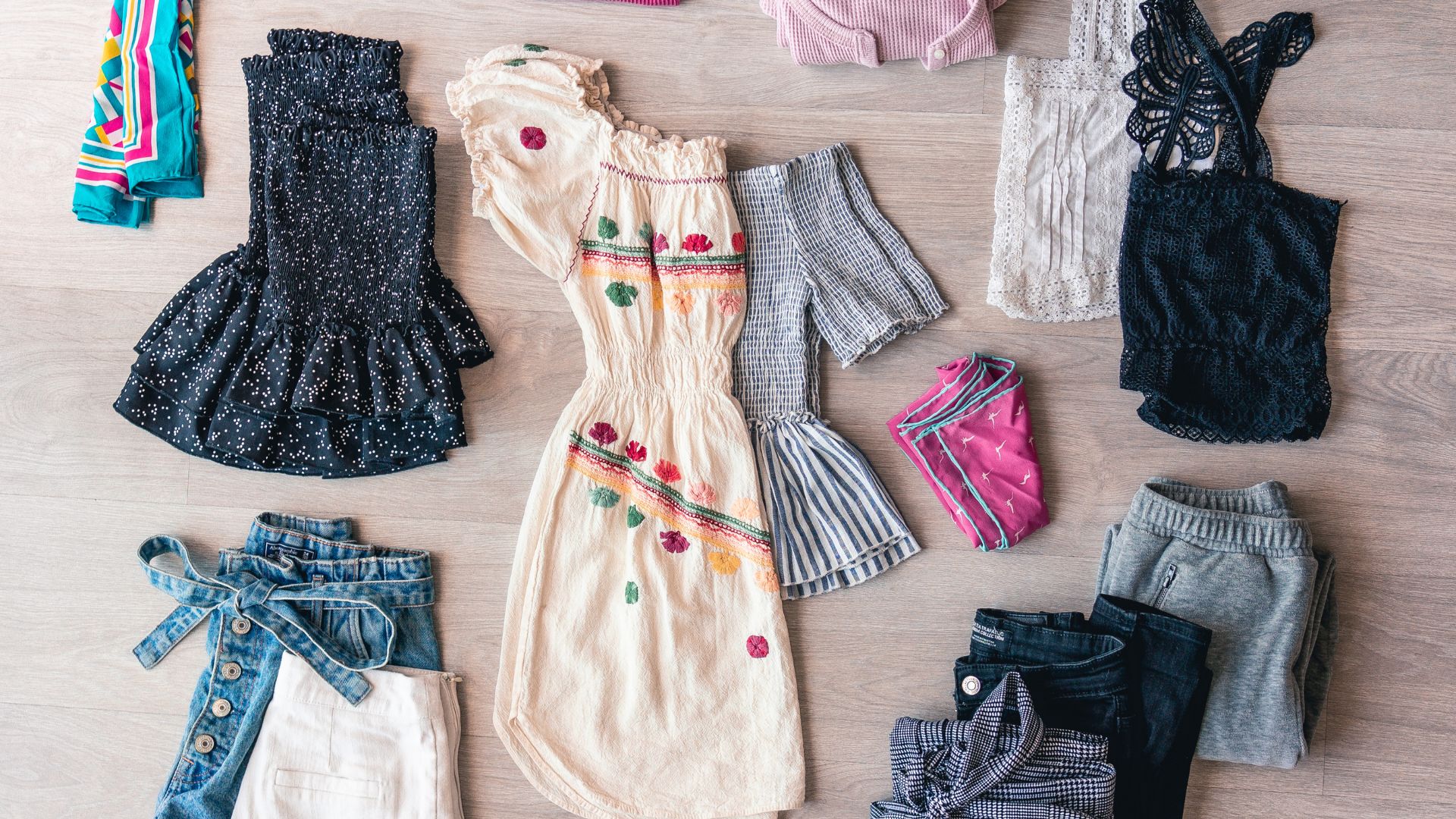
New boutique owners often assume that the wider the choice, the better. That sounds reasonable, but a buy that’s too broad and inconsistent soon starts to do harm. The collection stops holding together as a whole, the display becomes haphazard, and the customer can’t see a clear style to the shop.
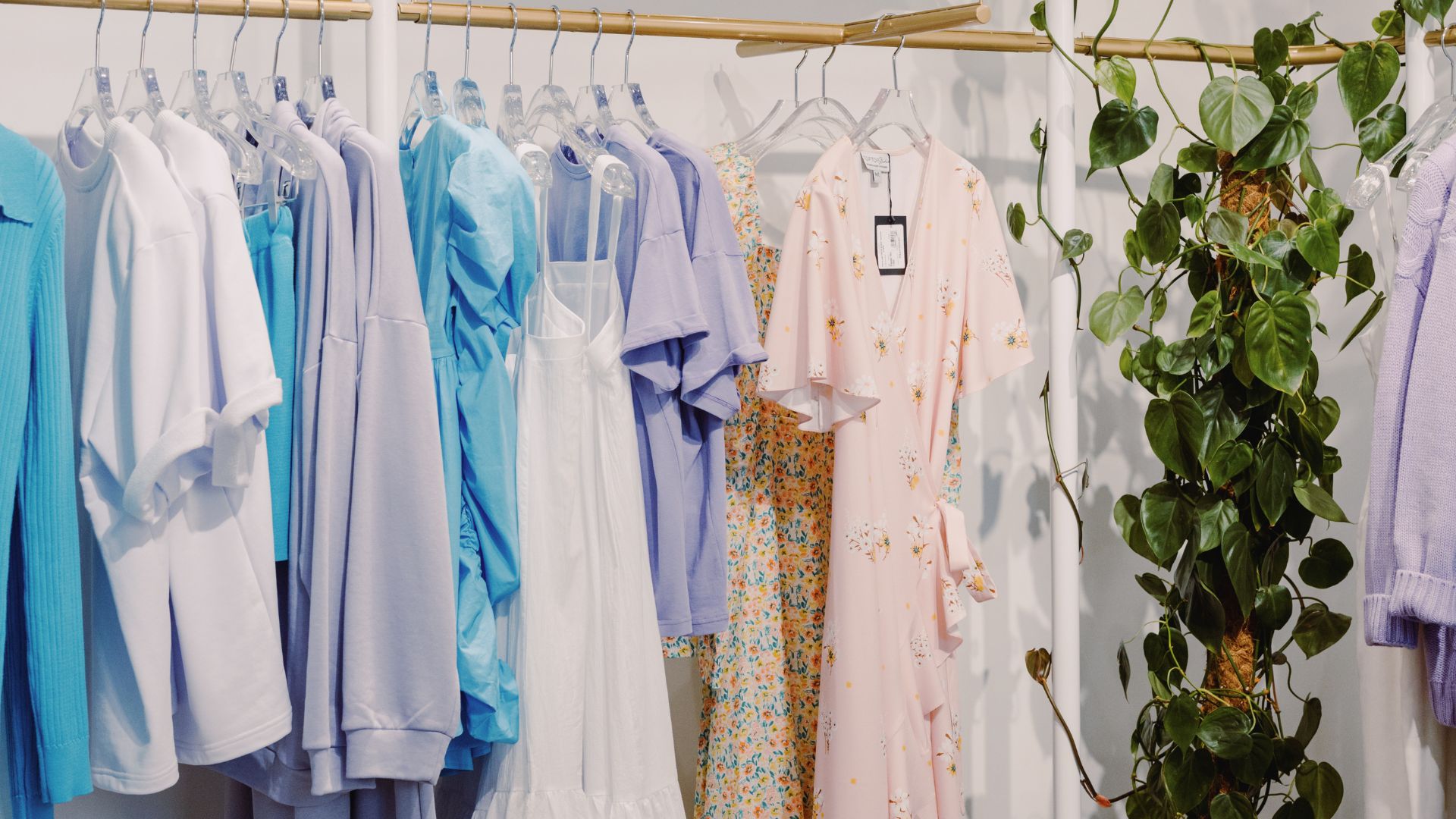
A well-put-together boutique needs categories that support one another. It’s not enough to buy a few striking dresses. You also need models that build a fuller offer and let the customer put a broader purchase together:
- dresses,
- blouses,
- tunics,
- trousers,
- waistcoats,
- co-ords,
- sweatshirts,
- biker jackets,
- coats,
- layering pieces.
Only then does the shop start to work like a boutique rather than a collection of individual models. From a supply point of view, this matters a great deal. It’s easier to plan seasonal sales, easier to create consistent displays and easier to develop your buying in the same style.
A business plan rarely shows how important consistency of style is
At the start, many entrepreneurs think in terms of: fashionable, elegant, feminine. The trouble is that these words can mean very different things. For one brand, elegance will be classic and understated. For another, strongly trend-led. For another again, based on simple shapes and details.
A boutique needs consistency, because that’s what builds recognition. The customer should know what to expect from the shop. If she sees a collection of modern elegance one moment and things from an entirely different world the next, the boutique loses its character.
For this reason, the choice of a womenswear manufacturer shouldn’t rest solely on whether they have a few nice individual models. What counts is whether their collections create a clear aesthetic world. At MAKO, we develop our offer in exactly that direction: feminine, refined, elegant and modern, with an emphasis on cuts that work well in boutique retail.
A Polish clothing brand for retailers and boutiques
Marguerite by Mako is a Polish manufacturer of women's clothing that blends manufacturing expertise with modern, elegant design. We create collections with boutiques and wholesalers in mind, paying close attention to seasonality, the functionality of each style and the expectations of end customers. Working with our business partners, we develop a range that not only looks good but also genuinely responds to the needs of the market.
Collections designed to sell
Trend analysis, manufacturing expertise and feedback from our business partners allow us to create styles that fit the needs of boutiques and the expectations of today's customers.
At the planning stage, you can’t yet see how much consistent quality matters
One well-made piece doesn’t build a business. A boutique needs a supplier who maintains the standard of make across the whole collection. That’s more important than the momentary effect of a first order. A customer who buys a beautifully made blouse and then comes back for trousers that are finished more poorly will notice the difference very quickly.
That’s why, already when drawing up a business plan, you have to think of quality as part of the sales model rather than an add-on to the image. For a shop, this means:
- fewer returns and complaints,
- greater trust in the whole offer,
- easier sales of further models,
- a better reputation for the boutique.
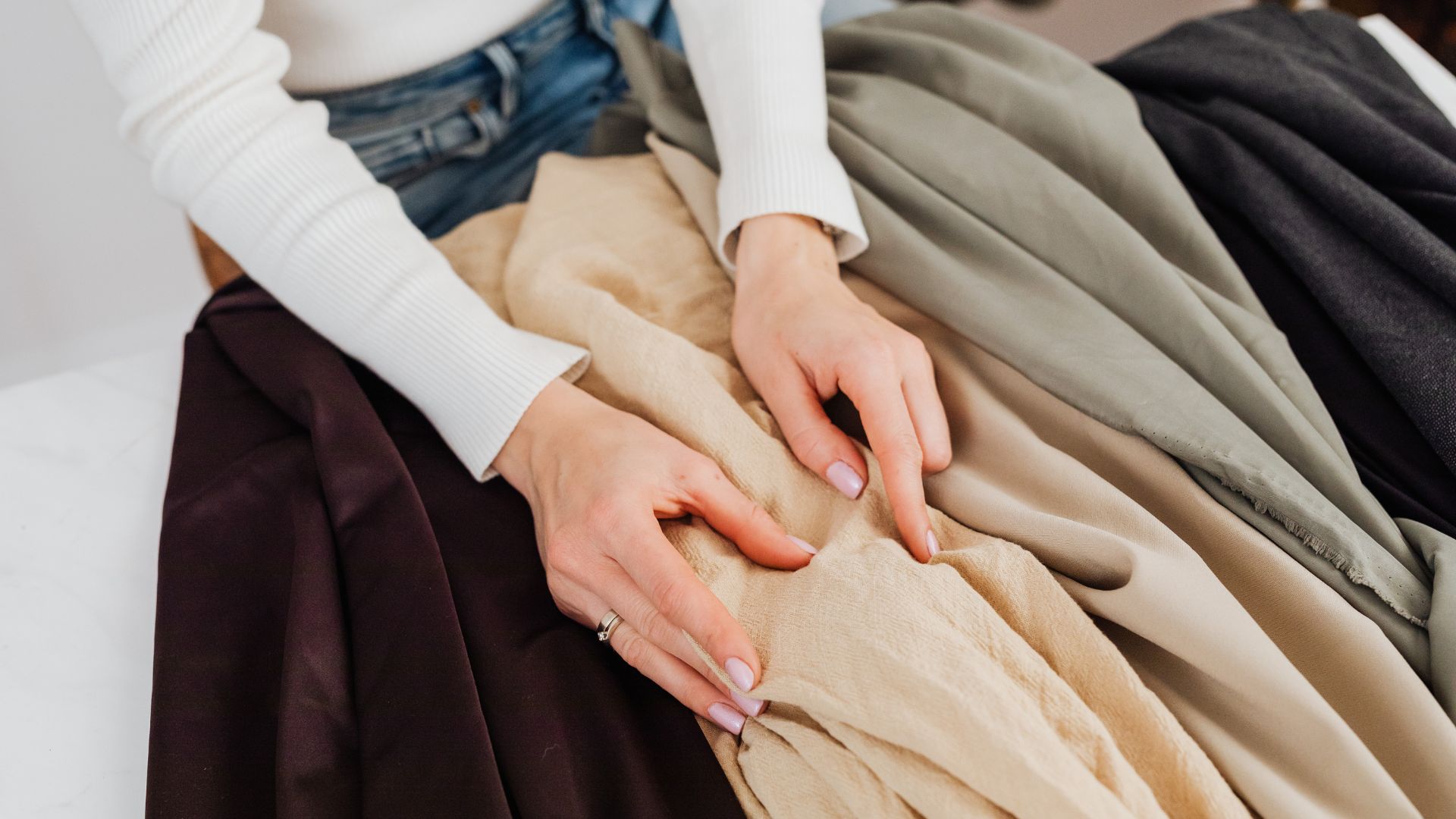
In womenswear, the details matter enormously: the construction, the care in sewing, the finishing, the way the cut falls. With an elegant offer, the customer sees this straight away. At MAKO, we base our collections on our own production in Poland and certified fabrics, because only then do we have a real influence over the quality that reaches our B2B partners.
You’re underestimating the role of sizing
This is one of the most commonly overlooked areas in a first business plan. In theory, everyone knows sizes matter. When it comes to buying, many people still think too narrowly. The result is simple: the boutique loses sales, because the offer doesn’t match the real make-up of its customers.
In the elegant womenswear segment especially, you can’t base a shop solely on small sizes. Many women look for well-cut models in larger sizes and very quickly spot the places that genuinely have something for them, rather than just a token choice.
That’s why, when planning your stocking, you have to factor in one question from the start: does the supplier have a collection that also covers the sizes my customers need? At MAKO, we work in sizes 40–54, because we see how important this segment is for boutiques whose offer is aimed at mature women. Here it’s not only the size itself that counts, but also the proportion, the fit and the comfort in wear.
You don’t yet know how much depends on a supplier who understands B2B trade
At the start, there’s a temptation to look mainly at the product. In fact, a boutique needs not just things to sell but a partner who understands the B2B model. That’s an important distinction. A manufacturer who sells at retail thinks differently from a company that works solely with boutiques, wholesalers, brands and distributors.
For a shop owner, it matters whether the manufacturer:
- operates on a B2B model,
- has experience working with bricks-and-mortar and online boutiques,
- understands the need for consistent stocking,
- can build a business relationship for the long term,
- doesn’t compete with its partners at retail.
That last point can be especially important. If a brand works purely B2B, its trade partners have greater clarity about the model of cooperation. MAKO operates on exactly this basis. Our collections reach boutiques, online shops, wholesalers, distributors, brands and companies looking for a production partner.
A first business plan usually doesn’t account for the fact that a boutique needs a regular supply of ready-made offer
Opening a shop isn’t a one-off purchase. A boutique lives on the turnover of its collections, the freshness of its range and the fact that customers have a reason to return. That’s why, already at the planning stage, you have to think not only about the launch but also about the ongoing supply.
That means a few simple questions:
- does the manufacturer have ready-made collections for boutiques,
- does the style of successive models stay consistent,
- can you develop your orders in the same direction,
- does the cooperation leave room for further buys without changing the shop’s aesthetic.
For many boutiques, this is a very convenient model. You don’t have to build an offer from scratch with every stocking. You can base your sales on ready-made collections from a manufacturer who understands the needs of this segment. This is exactly how we support our partners at MAKO — supplying ready-made collections of elegant womenswear for boutiques, collections that can be developed in a consistent style.
You can’t yet see how important flexibility in cooperation will be
A business plan is orderly by nature. It assumes a set path of development. The clothing trade is rarely quite so linear. The structure of sales changes, so do customers’ needs, the direction of the collection and sometimes the very idea for the boutique. That’s why it matters a great deal whether a manufacturer can develop the cooperation together with the partner.
For a shop or a clothing brand, it’s important whether the supplier:
- is open to new commissions,
- has experience working with a range of partners,
- can be a support beyond the first order,
- thinks about the relationship for the long term.
This element is present in our offer too. Beyond ready-made collections, we’re open to taking on new commissions, which matters to brands, designers and companies looking for a production base in Poland.
Costs aren’t everything — buying security counts too
In a first business plan, it’s easy to focus on the launch budget. That’s necessary, but keeping an eye on costs alone isn’t enough. For a boutique, buying security matters just as much. It comes down to whether the stock will match the shop’s profile, whether the quality will hold its standard and whether the customer will want to come back for more.
From this point of view, a good womenswear manufacturer offers something more than a commercial proposition. They offer predictability:
- in quality,
- in style,
- in communication,
- in the model of cooperation.
This is exactly the area that often doesn’t fit into a first business plan, even though it later turns out to be one of the most important.
A boutique’s good start begins with a well-chosen partner
Opening a womenswear boutique doesn’t end with the name, the premises and the first order. A shop’s success is very often decided by what isn’t visible in the initial assumptions: consistency of collection, repeatable quality, well-considered sizing and a manufacturer who understands B2B sales. If you’re planning a bricks-and-mortar or online boutique and looking for a partner to stock your shop with elegant womenswear, it’s worth looking further than individual models. At MAKO, we’re developing the Marguerite by Mako brand as a Polish manufacturer operating purely B2B. We offer ready-made collections for boutiques, our own production in Poland, certified fabrics, refined cuts and sizes 40–54. If you want to build your shop’s offer on a solid foundation, get in touch with us about working together.