


A new season in the boutique without the chaos — planning deliveries, communication and display
A new season can bring order to your sales or knock them apart completely. A lot depends on whether a boutique goes into it with a well-thought-out plan. Choosing the models alone isn’t enough. Delivery dates matter just as much, along with the way you show the collection to your customers and whether the shop’s display leads to a purchase rather than simply looking attractive.
From our point of view, a well-prepared season starts earlier than many retailers assume. Not on the day the delivery arrives, but at the stage of the buying decisions. That’s when the structure of the range takes shape, the communication is put in order and the way the collection will be presented is planned. This means the boutique isn’t operating week to week, but building sales deliberately.
Where does the chaos before a new season come from?
Most often it comes not from a lack of commitment but from too many things being done at once. The delivery arrives, the new items have to be uploaded to the online shop quickly, material has to be prepared for social media, the display has to change, and the regular customers’ needs still have to be met. If no plan was made beforehand, every next move is a reaction to the situation rather than part of a bigger whole.
Boutique owners often face the same set of problems:
- too many models introduced at once,
- a lack of consistency between the delivery and the communication,
- haphazard display,
- a collection that doesn’t match customers’ real needs,
- buying done under the pressure of the moment.
A new season shouldn’t begin with putting out fires. It’s better to treat it as a process that can be broken into stages and planned well.
Planning deliveries starts with the structure of the collection
The first step isn’t choosing “the prettiest things,” but deciding what role a given delivery is meant to play. Is it there to refresh the offer? To build a strong opening for the season? To top up the bestsellers? To draw customers in for something new but consistent with the shop’s established style?
Dividing the collection into a few groups works well:
- models that open the season,
- core products that are easy to sell and combine,
- bolder pieces that build the character of the offer,
- complementary categories that complete the looks.
This arrangement brings order to your buying and reduces the risk of a haphazard range. A boutique doesn’t need a large number of similar models. It needs a collection that makes commercial sense and gives the customer a clear choice.
At MAKO, we pay close attention to this, because we supply boutiques with ready-made collections of elegant womenswear that can be developed in a consistent way. This makes it easier to plan a season not only in terms of aesthetics but of sales too.
Don’t order everything for a single moment
One of the more common mistakes is concentrating too many new items in a short space of time. For a few days the shop looks very strong, but then a communication gap appears and there’s no fresh reason for customers to come back.
It’s far better to spread deliveries out so that you can:
- refresh the offer regularly,
- keep up interest in new arrivals,
- give yourself time for display and communication,
- manage the buying budget better.
A season doesn’t have to be built from one big delivery. Often it works better to have sensibly scheduled introductions of successive models that you can show and sell properly.
Get the balance between categories right
Every boutique has its strengths, but it’s worth looking at the offer more broadly than through a single product group. If a shop bases its sales on dresses alone, it may lose customers who are looking for fuller purchases. On the other hand, a glut of categories with no clear order weakens the clarity of the offer.
So before the season it’s worth establishing:
- which categories are the pillar of your sales,
- which are there to raise the average basket value,
- which support the shop’s image,
- which are best treated as a supplement.
Our offer for B2B partners includes, among other things, dresses, blouses, tunics, trousers, waistcoats, co-ords, sweatshirts, biker jackets, coats and layering pieces. A range like this helps to build collections that don’t stop at a single buying need.
The season’s communication should be planned before the delivery
A lot of boutiques only start talking about new arrivals once the stock is already in place. That’s too late. Communication should prepare your audience for what’s about to appear in the shop. It’s not about a flood of announcements, but about building continuity.
Well-arranged seasonal communication answers three questions:
- what’s coming into the offer,
- who the new collection is for,
- why it’s worth paying attention to it right now.
This matters especially in boutiques that work with a steady group of customers. They don’t want to be caught off guard by chaos. They want to see that the new season has been prepared deliberately and that the shop’s offer is still in keeping with their style.
A Polish clothing brand for retailers and boutiques
Marguerite by Mako is a Polish manufacturer of women's clothing that blends manufacturing expertise with modern, elegant design. We create collections with boutiques and wholesalers in mind, paying close attention to seasonality, the functionality of each style and the expectations of end customers. Working with our business partners, we develop a range that not only looks good but also genuinely responds to the needs of the market.
Collections designed to sell
Trend analysis, manufacturing expertise and feedback from our business partners allow us to create styles that fit the needs of boutiques and the expectations of today's customers.
Instead of single posts, plan a series of messages
A new collection shouldn’t live on just one post or one story. It’s better to spread the communication across several steps:
- a preview of the season’s direction,
- a look at the first models,
- a presentation of selected categories,
- communication around specific outfits or looks,
- a reminder about the available new arrivals a few days later.
A rhythm like this holds customers’ attention and doesn’t burn out the interest in a single evening. It also gives the retailer time to tell the story of the collection better.
If a boutique works with a manufacturer that has a distinctive style and consistent product lines, communication becomes easier. The collection doesn’t look like a random set of models, but like a considered proposal for the season.
Consistency between the physical shop and online
If a boutique operates both physically and online, the customer should see the same direction in both places. Otherwise chaos sets in: different things in the window, different ones on the website, a different message on social media.
It’s worth ensuring alignment in three areas:
- the order in which new arrivals are shown,
- the style of communication,
- the categories and models given prominence.
You don’t have to publish everything on one day. It’s better to set a simple sequence of actions and stick to it through the first weeks of the season.
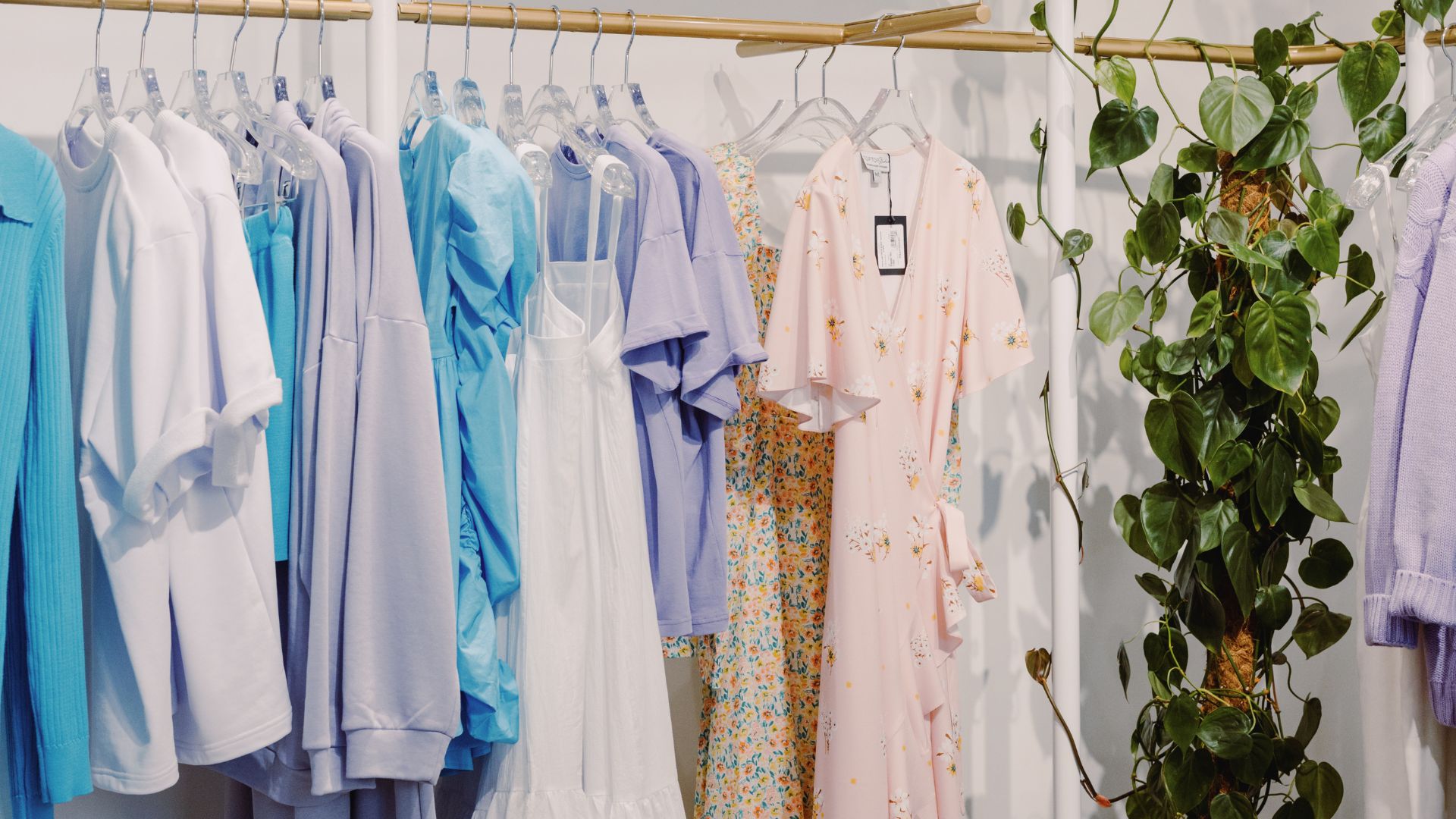
Display should sell, not just tidy the space
A well-arranged boutique doesn’t show the customer the whole stockroom at once. It shows what matters most at a given moment. A seasonal display should lead the eye and order the offer so that shopping is intuitive.
The most common mistake is that everything goes straight onto the shop floor after a delivery. The effect is simple: lots of things, little clarity. The customer sees an excess, but doesn’t see the story of the collection or the logical connections between models.
It’s better to build the display around:
- selected looks,
- the season’s strongest categories,
- complete outfits,
- colour or style groupings.
This matters especially with elegant womenswear. A product like this works well when it’s shown in a way that’s ordered, calm and consistent.
Show complete outfits, not just single pieces
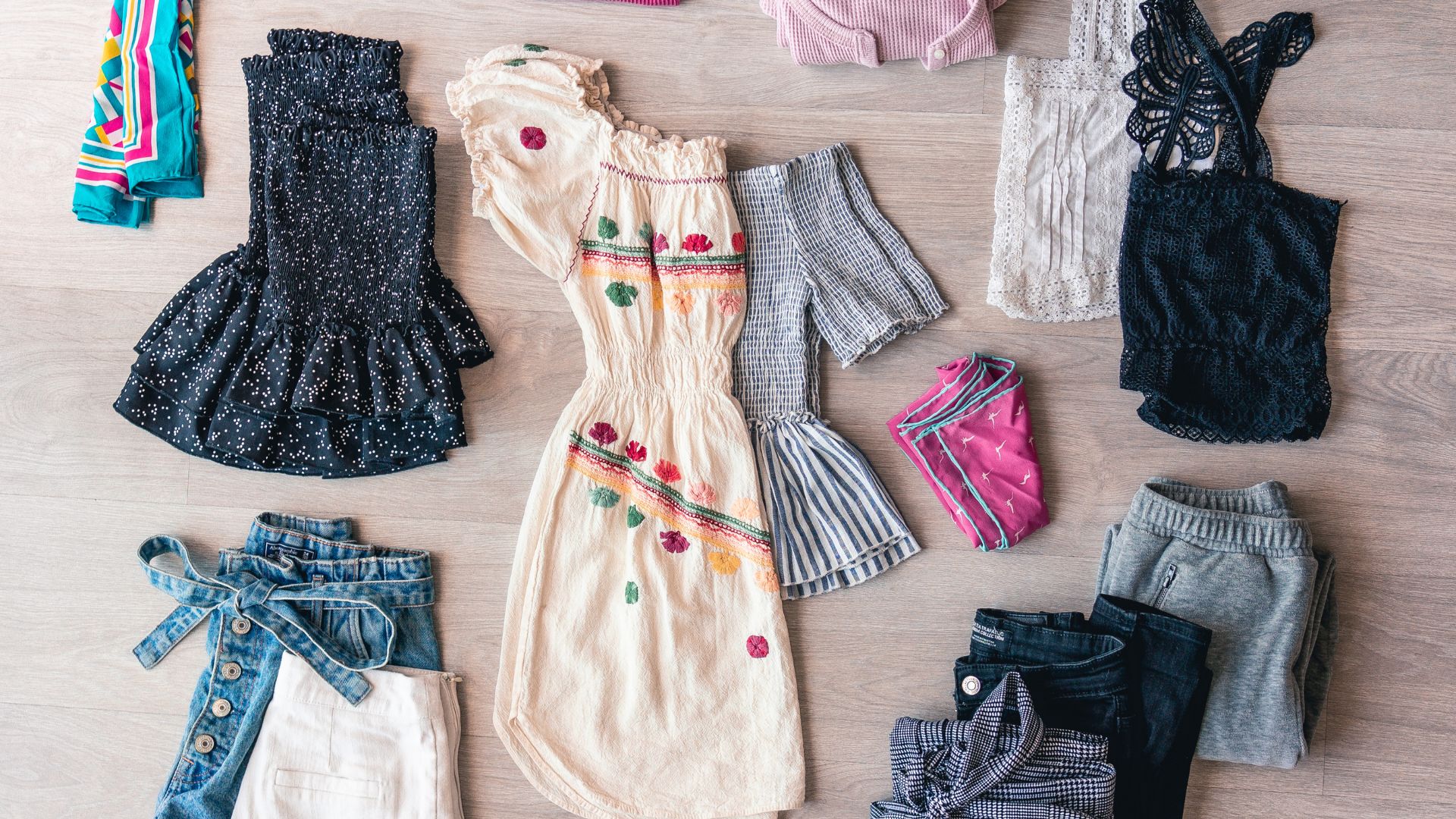
A customer makes a decision much faster when she can see a full idea for an outfit. That’s why it’s worth putting together products that reinforce one another: a blouse with trousers, a tunic with a layering piece, a dress with a biker jacket, a co-ord with a coat.
For a boutique, this brings several benefits:
- greater clarity of display,
- an easier job for the salesperson,
- a better chance of a customer buying more than one thing,
- a better showing of the collection’s character.
This is one of the reasons ready-made collections matter so much. When a manufacturer thinks in categories and builds the offer in an ordered way, a boutique can turn it into sales more quickly.
Not every new item has to go straight to the front
It’s worth choosing a few models to open the season and set its tone. The rest can come in gradually or play a supporting role. A choice like this helps you stay in control of the space and avoid the sense of overload.
A good approach is to divide items into:
- models that lead the season,
- pieces that support sales,
- products worth showing later as a refresh of the offer.
This way the display works for longer and doesn’t call for a complete rearrangement after every delivery.
A new season is easier to arrange with a partner who understands a boutique’s needs
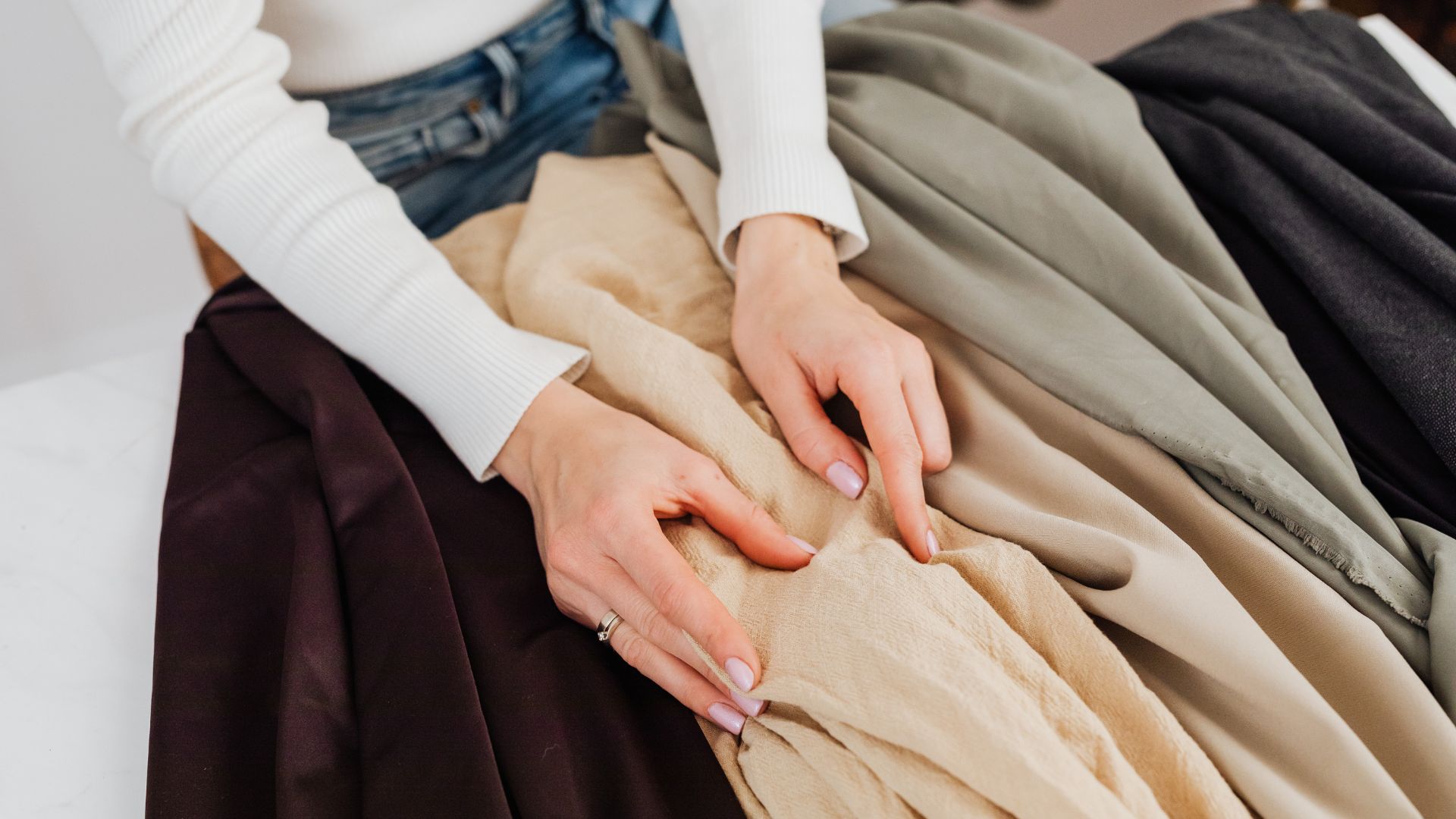
A boutique doesn’t just need clothing. It needs a collection that can be ordered, shown and sold. This is exactly why the choice of manufacturer matters so much. If the cooperation rests on a consistent style, good quality and a considered offer, the season becomes easier to plan.
From a B2B partner’s perspective, what matters is:
- consistency of quality,
- a clear character to the collection,
- access to several product categories,
- good sizing,
- the option of an ongoing partnership.
At MAKO, we work with boutiques, online shops, wholesalers, distributors and clothing brands, offering ready-made collections of elegant womenswear produced in Poland. We sew with certified fabrics, take care over careful finishing and create models in sizes 40–54. For our partners, this means greater freedom in building an offer aimed at women who expect a good fit, a mature aesthetic and quality that’s visible from the first contact with the product.
A season without chaos starts with a few good decisions
You don’t have to plan everything down to the finest detail. It’s enough to put a few basics in order: the structure of your deliveries, the rhythm of your communication and the way you display. When these elements are consistent, the boutique operates with more confidence and more calm, and the customer gets a clear offer.
A new season should be a well-played entry into the months of selling ahead. If you’re looking for a partner who supplies boutiques with ready-made womenswear collections and understands the realities of B2B cooperation, get in touch with MAKO. We’d be glad to talk about our wholesale offer and how to arrange a collection to suit your shop’s profile.