Stocking a boutique always comes down to one decision: how much product to buy and how much inventory risk to accept. With a ready-made collection it is simple. You pick the styles, order the available quantities and put them on sale. Pre-order and made-to-order production work differently. They let you tie your buying more closely to real demand, but they call for earlier planning and a good working relationship with the manufacturer.
For a boutique, this kind of model can mean less capital tied up in stock, more deliberate collection building and fewer items you later have to mark down. It will not always be the best choice, though. A lot depends on the character of the shop, its customers, how it sells and what the cooperation with the womenswear manufacturer looks like.
Pre-order and made-to-order production – how do these models differ?
The two terms are often used interchangeably, even though they describe slightly different situations.
Pre-order, meaning pre-sale or an order placed before the product is actually available, is about signalling demand ahead of time. In a B2B setting, a boutique can order selected styles or a whole collection before it is fully available, which lets the manufacturer gauge interest and plan production more accurately.
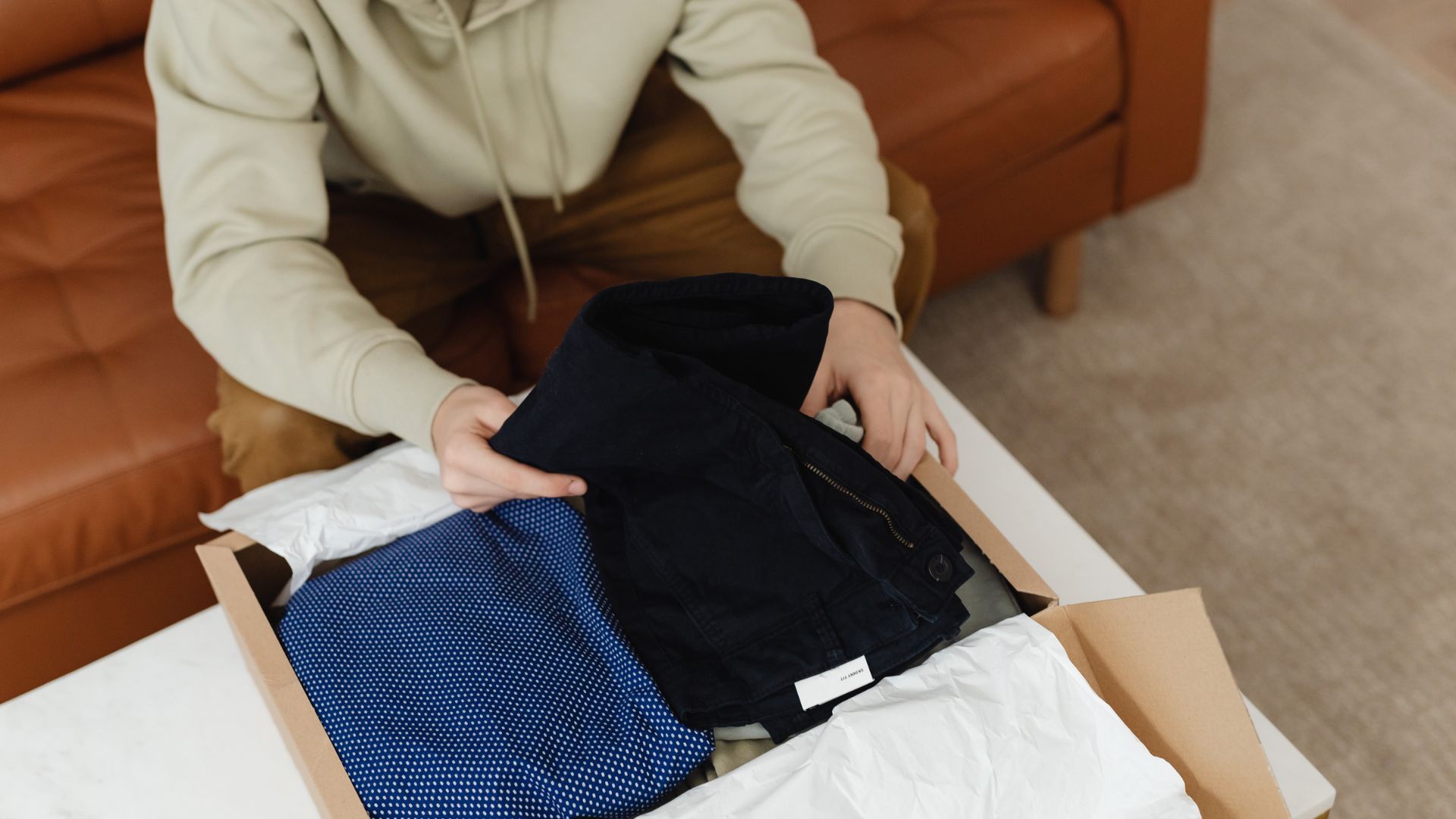
In retail, pre-order can also mean taking orders from customers before an item is in stock. For a boutique, it is a way to test demand before committing to a larger batch.
Made-to-order production, on the other hand, starts from a specific order. The product does not have to sit in a warehouse as finished stock. Production is triggered in response to an agreed order from a business partner.
The details of this kind of cooperation can vary from one manufacturer to another. That is why, before placing an order, it is worth agreeing on the rules around available styles, quantities, timelines, materials and the rest of the commercial terms.
Why are boutiques drawn to producing for real demand?
The biggest problem with conventional stocking is uncertainty. Even when you know your customers well, there is no way to predict the sales of every cut, colour and size.
You can buy too little of a style that turns out to sell very well, or too much of a product that moves more slowly than expected. In the second case, capital stays locked in the stockroom, and as the season ends the pressure to cut prices grows.
Pre-order and made-to-order production let you move part of the buying decision closer to actual demand.
For a boutique, that can mean:
- more controlled stocking
- fewer random purchases
- a lower risk of ending up with unsold styles
- a better match between sizes and customers
- more freedom when planning further deliveries
So it is not only about buying less clothing. It is about making better use of the information a boutique already has: its sales history, customer questions, the popularity of particular cuts and the demand for specific sizes.
When can pre-order be a good solution for a boutique?
Pre-order works best where a boutique has a steady group of customers and can judge what they are really looking for.
If the owner knows that a certain type of dress, trousers or set consistently finds buyers, ordering the next batch in advance is a far more deliberate decision than randomly increasing stock.
This model can make particular sense when:
- the shop has a group of regular customers
- sales also run through the website or social media
- the boutique knows which sizes are chosen most often
- certain cuts come back regularly
- customers are willing to wait for a specific style
- the shop wants to plan larger purchases more carefully
Pre-order can also help when introducing new products. Instead of assuming up front that a given cut will sell in large numbers, a boutique can test interest first.
Made-to-order production and inventory risk
The stockroom is one of the easiest places to freeze money. A product can be well made and on-brand for the shop and still move more slowly than expected. That risk is especially easy to run into when you stock too many cuts at once.
Production tied to a specific order lets you approach buying more selectively.
This does not remove the risk entirely. A boutique still has to assess the sales potential of a collection. What changes is the moment the decision is made. Instead of buying a large stock “just in case”, you can build the offer in stages.
This matters especially in elegant womenswear, where a well-chosen cut often sells over a longer period and a customer’s decision does not have to follow fast-changing trends.
Does made-to-order production always mean lower costs?
No. And that is exactly why this model should not be judged on the price of a single item alone.
For a boutique, profitability depends on the overall sales result. You have to account not just for the purchase cost, but also for how fast the product turns over, the size of the stock, markdowns and the capital left sitting in unsold goods.
The order-based model can pay off even when its biggest advantage is not the lowest price. If it lets you buy a collection more deliberately and cut down on excess stock, it can improve the economics of your whole inventory.
Before deciding, it is worth answering a few questions:
- How often am I left with unsold end-of-collection pieces?
- Do I know which sizes actually turn over?
- Do my customers ask when specific cuts will be back in stock?
- How much of my stock only sells once the price drops?
- Am I able to plan my range far enough in advance?
The better a boutique’s data, the easier it is to use a pre-order or made-to-order model.
Size range matters more here than it might seem
Production for specific demand is especially interesting in shops that serve customers who need sizes that are less well represented in standard collections.
If a boutique knows it regularly sells clothing in sizes 44, 48, 50 or 54, it can plan its buying differently from a shop that works mainly with smaller sizes. The question stops being simply “which style to order” and becomes “in what size structure do I need it”.
At MAKO we work with womenswear in sizes 40-54, which is why we treat the size range as one of the fundamentals of B2B selling. In the 40+ segment, good stocking calls not just for the right number of styles, but also for the right spread of sizes and cuts.
For this customer profile, the ability to plan orders in advance can be especially valuable to a boutique.
How to judge whether a specific style suits pre-order?
Not every product should be sold on pre-order. The easiest styles to work with are those whose potential you can predict from past experience.
A good candidate can be a style that:
- matches a proven taste among your customers
- has a predictable use
- comes in sizes there is regular demand for
- fits the core character of the shop’s offer
- does not depend on an impulse buy
Highly seasonal or strongly trend-driven products call for a different approach. Their sales can hinge on a short window, which makes longer-term planning harder.
With elegant womenswear the scope is wider. A well-cut dress, set, blouse, pair of trousers or overpiece can stay relevant longer than a product built on a single seasonal trend.
Pre-order calls for good communication with the customer
If a boutique runs pre-sales directly to customers, the rules have to be clear. The buyer should know the product is not available off the shelf and that the order is for a future delivery.
Unclear communication quickly leads to disappointment. A product photo and a buy button are not enough if the customer expects next-day shipping.
A well-run pre-order rests on clear information about:
- the fact that this is a pre-sale
- when the next stage can be expected, if a date has been set
- the terms of the order
- which variants and sizes the offer covers
For a boutique it is also a test of interest. Questions, reservations and orders show which styles have real potential.
Made-to-order production also calls for a good manufacturer
The model itself solves nothing if there is no stable partner on the other side. With made-to-order production, experience, build quality, communication and the ability to handle repeat orders all count.
Before starting this kind of cooperation, it is worth checking:
- where production takes place
- what materials the manufacturer works with
- whether quality is consistent from batch to batch
- whether the size range suits the shop’s customers
- whether the manufacturer works B2B
- whether they are open to new orders
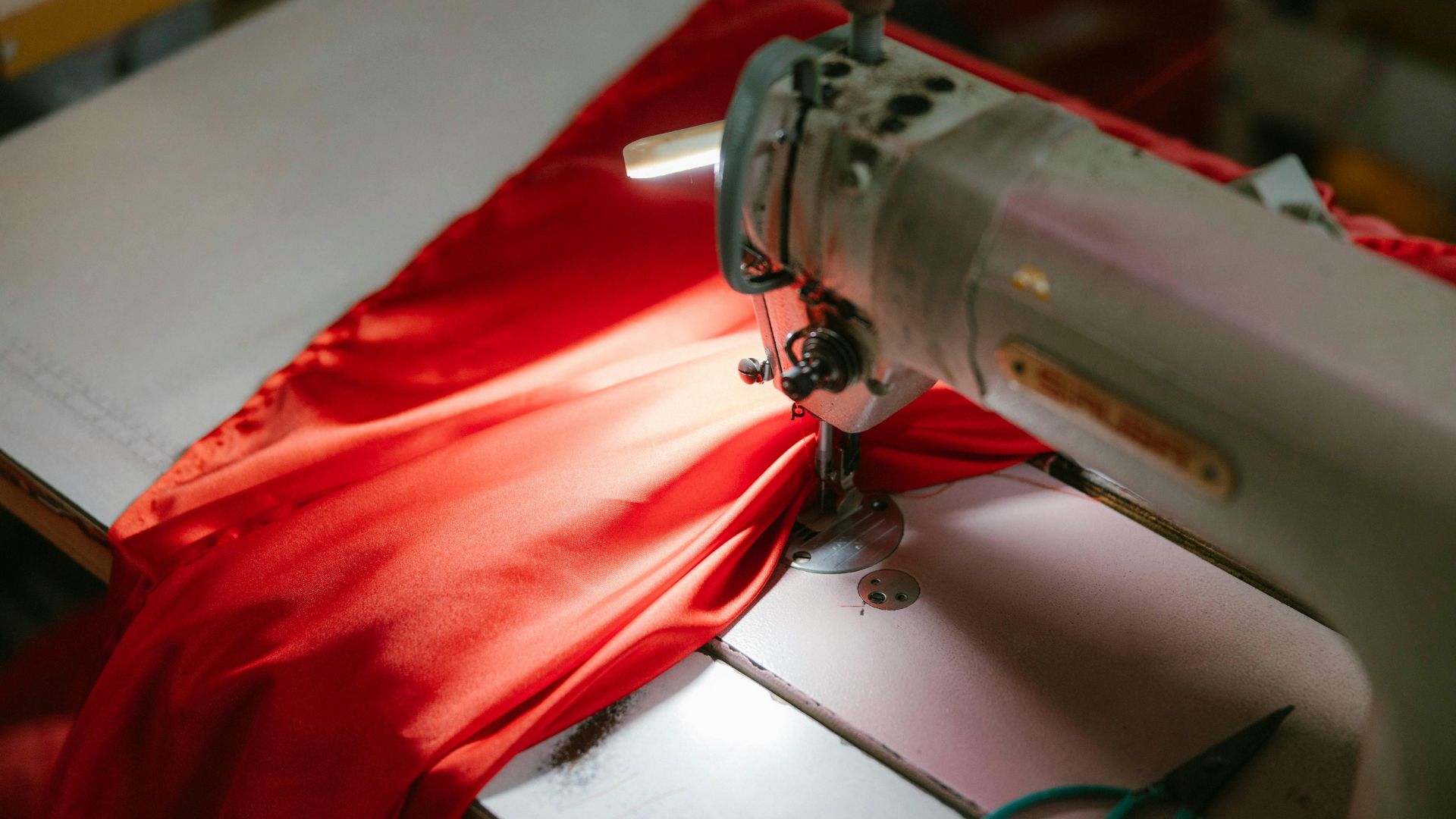
In-house production gives more control over the process than a model based purely on intermediaries. For a boutique, that matters especially when the cooperation is meant to grow over the long term.
At MAKO we produce in Poland, work with certified materials and operate exclusively B2B. We cooperate with boutiques, online shops, wholesalers, distributors, brands and companies. We are also open to new orders, which is why we always start a production conversation from the partner’s actual needs.
When is conventional stocking the better option?
Pre-order should not replace your whole stockroom. In many boutiques the best result comes from combining several ways of stocking.
Core products that turn over quickly or are needed on the spot are worth having in stock. A customer who walks into a boutique for a dress to wear at an event that weekend will not be interested in a long wait.
The order-based model, on the other hand, can complement conventional selling where:
- the boutique wants to test a new cut
- it needs additional sizes
- it is planning another delivery of a proven product
- it wants to limit the risk on a larger purchase
- it is preparing a collection ahead of time
So there is no need to choose between stock and made-to-order production. It is far more sensible to assign each style the right way of buying it.
When does made-to-order production really pay off?
The biggest gains come when a boutique knows its target group and can put its sales data to use. The more random the buying, the harder it is to benefit from what planning production in advance has to offer.
This model suits shops that build their offer consistently and work with a defined style. When you know which cuts, sizes and categories match your customers, orders can be planned far more precisely.
For a boutique with elegant womenswear, that can mean calmer collection management, less pressure to run clearances and more control over what ends up on the rails.
Cooperation with the manufacturer should stay flexible in the process. It is not about “sewing to order” in itself, but about being able to talk through the shop’s next needs and grow the range in a way that makes business sense.
If you run a boutique, an online shop or a brand and you are weighing up made-to-order production, further deliveries or a new order, get in touch with MAKO. We can talk through the profile of your offer, the categories you need and the possibilities for B2B cooperation with a Polish womenswear manufacturer.