

When you’re choosing a collection for your boutique, attention usually goes first to the cut, the colour and the buying price. That’s understandable, but in practice the quality of a product is often decided by something less eye-catching: the way it’s sewn, the finishing and the construction of the model. These are the very things that determine how a garment sits on the figure, how it looks once it’s been tried on and whether it holds its shape in wear.
From a B2B sales point of view, these are details worth checking before you place an order. Well-made womenswear stands on more than how it looks in a photo — it stands on the quality a customer can see and feel straight away.
Why technical details matter for a boutique
A shop doesn’t sell the design itself. It sells a product that’s ready to wear. If a seam pulls, the finishing looks careless and the construction doesn’t hold its proportions, even a good model suffers in how it’s perceived. For a boutique, that adds up to a simple problem: weaker sales, more resistance at the retail price and a greater risk of returns.
With elegant womenswear, these are exactly the things customers notice. They may not describe them in technical terms, but they quickly judge the end result:
- whether the garment sits well,
- whether it puckers in unexpected places,
- whether the shoulder and waist lines look natural,
- whether the whole thing feels refined.
That’s why, before you start working with a manufacturer, it’s worth looking beyond the mere appearance of a collection.
Seams that say more than the product description
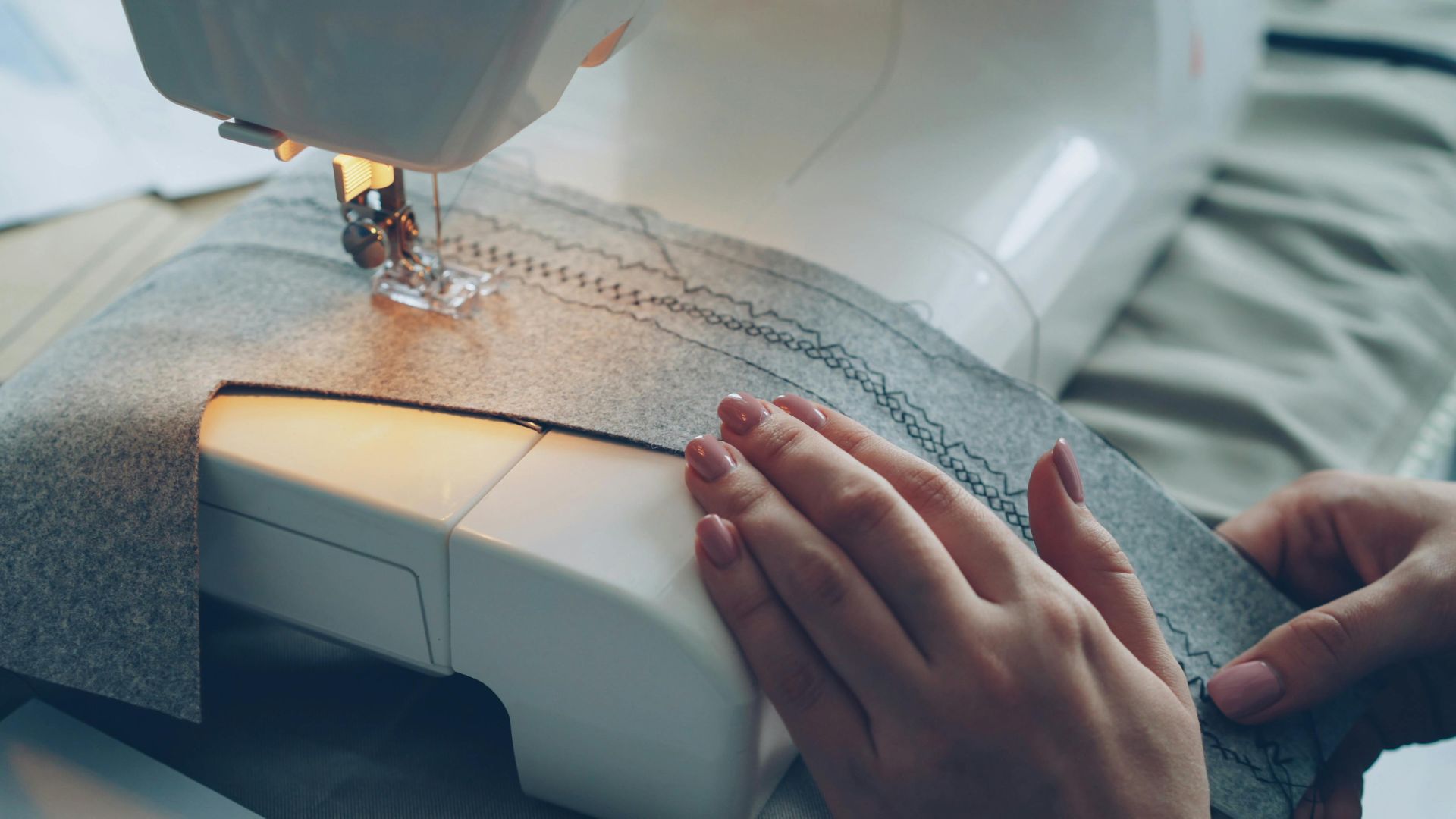
A seam should be even, stable and suited to the character of the fabric or knit. It sounds technical, but it comes down to something very simple: the garment should look neat and keep its shape.
What to look for when assessing seams
The most is revealed in the places where nothing can be hidden — the side seams, the armholes, the underarms, the sleeves and the shoulder line. These are the spots that show whether the sewing was done with care.
It’s worth checking:
- whether the seams are straight and even,
- whether the fabric ripples along the stitching,
- whether anything pulls or twists the cut out of shape,
- whether the areas under more strain are worked cleanly and confidently.
For a boutique, this has a practical bearing. A good seam supports the construction of the model, while a poor one quickly gives away flaws in the making. Even with an attractive fabric, imprecise sewing lowers the perception of the whole product.
Finishing decides the first impression
A customer doesn’t analyse a garment like a clothing technologist, but she picks up very quickly on whether a piece is refined. This shows especially with elegant models, where any shortcut in construction or finishing becomes more noticeable.
What to look at before ordering
When assessing finishing, it’s worth taking a close look at a few areas:
- the edges at the neckline,
- the cuffs,
- the hems of blouses, dresses and coats,
- the way zips are set in,
- the linings and the points where the lining is joined.
If these elements are done with care, the whole piece looks calmer and more professional. If they’re done hastily, the product can come across as less refined, even when the cut itself is appealing.
In boutique retail, finishing also has a bearing on price. Clothing that looks solid and neat is easier to justify without constantly cutting into your margin.
A Polish clothing brand for retailers and boutiques
Marguerite by Mako is a Polish manufacturer of women's clothing that blends manufacturing expertise with modern, elegant design. We create collections with boutiques and wholesalers in mind, paying close attention to seasonality, the functionality of each style and the expectations of end customers. Working with our business partners, we develop a range that not only looks good but also genuinely responds to the needs of the market.
Collections designed to sell
Trend analysis, manufacturing expertise and feedback from our business partners allow us to create styles that fit the needs of boutiques and the expectations of today's customers.
Good fit doesn’t happen by chance
In the womenswear segment, and especially in ranges aimed at mature women, construction and fit carry real weight for sales. It’s not only about a fashionable look, but also about comfort and proportion.
A boutique should pay attention to whether the manufacturer designs clothing in a way that takes account of customers’ real needs:
- whether the cut isn’t too tight in places that call for ease,
- whether the seam lines flatter the figure,
- whether the model keeps its elegant look in larger sizes too.
At MAKO, we place great importance on this, because we create elegant womenswear in sizes 40–54 as well. Across that range, aesthetics alone aren’t enough. What’s needed are well-prepared patterns, careful finishing and a construction that genuinely works on the figure.
The fabric and the sewing have to work together
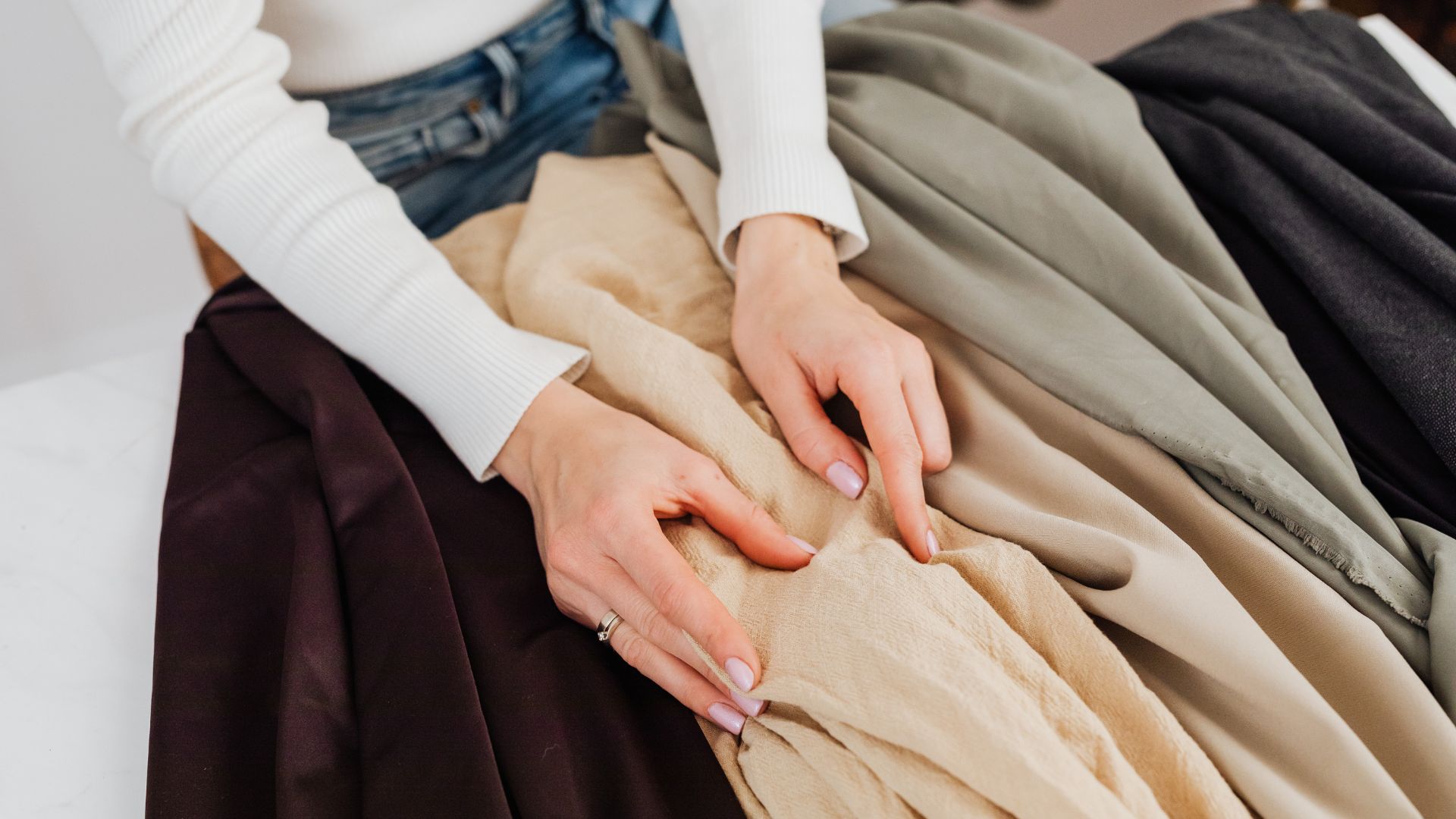
You can’t assess seams and finishing properly without looking at the fabric. A soft knit behaves one way, a stable woven fabric another, and a lined model differently again. A well-prepared product shows that the manufacturer knows how to match the fabric with the right making technique.
This matters, because even a good material won’t give the right result if it’s poorly handled in construction. And by the same token, careful sewing won’t rescue a model if the fabric doesn’t support the cut.
That’s why it’s worth working with a manufacturer who works with certified fabrics and has real influence over the whole process of making a garment. In-house production in Poland gives greater control over how a design translates into the finished product.
What a boutique should check before placing an order
Before choosing a manufacturer or a particular collection, it’s worth running through a short checklist. It helps you judge not just the style but the real quality of the product.
Check:
- whether the seams are even and stable,
- whether the finishing looks clean and neat,
- whether the construction sits well on the figure,
- whether the cut keeps its proportions across different sizes,
- whether the fabric works with the cut,
- whether the whole piece feels refined up close as well.
This kind of assessment matters especially when a boutique is building an offer based on quality rather than fast turnover alone. Over the longer term, the clothing that sells better is the clothing that holds up in the making.
Technical quality supports sales just as much as design
In the clothing trade, it’s easy to focus on what’s most visible. Yet it’s the less eye-catching elements that often decide whether a product stays in the boutique for the long run or ends up on the sale rail. Seams, finishing and construction aren’t an add-on to the design. They’re part of its commercial value.
For us at MAKO, this is one of the foundations of our work on the Marguerite by Mako collection. We combine a feminine, elegant style with production know-how, our own facilities in Poland and a care for making that counts not just in a photo but, above all, in sales.
If you’re looking for a womenswear manufacturer for your boutique, online shop or a B2B partnership, we’d be glad to talk about what to look out for when choosing a collection and how we approach our work on the product.